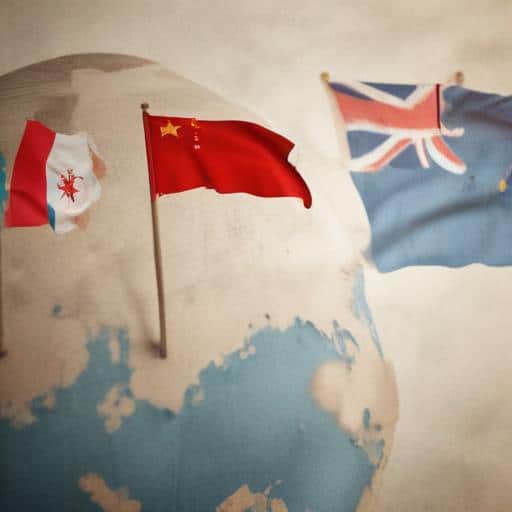
The Chinese Embassy in Fiji has clarified recent remarks by Prime Minister Sitiveni Rabuka, asserting that China’s involvement in the Pacific region does not stem from a geopolitical agenda. The Embassy refuted any allegations that China seeks to enhance its influence or establish military bases in the area, emphasizing instead a focus on practical contributions such as infrastructure development—including roads, bridges, and schools—that are aimed at fostering self-reliance and ensuring regional stability.
Moreover, the Embassy firmly rejected the notion that Pacific Island nations are under pressure to “choose sides” in favor of major powers, highlighting that these countries should be free to cultivate their relationships without external interference. China’s commitment to the One-China policy was also reiterated, affirming Taiwan as an integral part of China.
These clarifications follow Rabuka’s recent comments at a press conference in Australia, where he discussed Fiji’s growing partnership with China and expressed concerns about shifting geopolitical dynamics in the region. He reiterated Fiji’s stance on neutrality amid tensions between the United States and China, stressing the importance of friendly relations and the rejection of military bases that could threaten the peace and sovereignty of Pacific nations.
This diplomatic balancing act is reminiscent of recent statements made by Rabuka, where he called for an “Ocean of Peace” treaty among Pacific nations aimed at promoting non-aggression and mutual respect. The Prime Minister’s journey underscores a collective effort amongst Pacific leaders to harness cooperation and safeguard regional interests while engaging with both traditional allies and new partners.
The ongoing dialogues around regional development present an encouraging outlook for countries within the Pacific, suggesting a pathway towards stability and collaborative growth amid complex global challenges.
Leave a comment