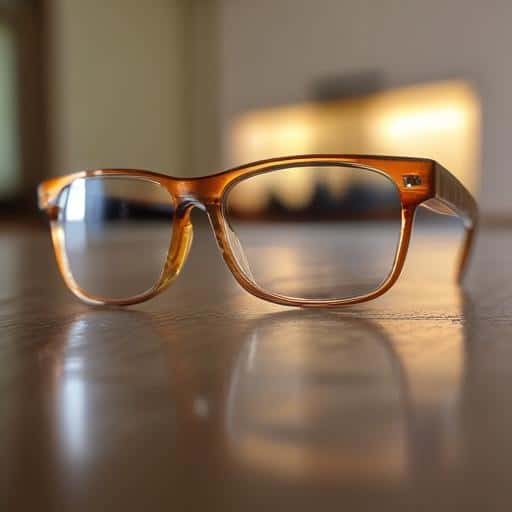
In today’s evolving world, many individuals turn to ready-made reading glasses—often referred to as ‘over-the-counter’ or ‘non-prescription’ glasses—due to their ease of access and low cost. These glasses can conveniently be found in pharmacies, supermarkets, and various online outlets.
However, the increase in their use raises concerns regarding potential hazards associated with their unregulated use. This article highlights the risks of depending on such glasses and emphasizes the necessity of seeking guidance from eye care professionals.
Ready-made reading glasses typically come with preset magnification strengths, usually ranging from +1.00 to +3.50 diopters. They serve individuals suffering from presbyopia, a common age-related vision condition affecting near vision. Yet, as these glasses are not customized to meet specific vision requirements, their use can potentially lead to complications. As one eye care expert noted, consulting an eye doctor is vital to ascertain individual vision needs and to avoid problems such as incorrect magnification that could result in eye strain, headaches, or blurred vision.
Key risks associated with using ready-made glasses include:
1. **Incorrect Power Leading to Eye Strain:** Standardized magnification can lead to headaches and eye fatigue if the power does not match the user’s needs.
2. **Mismatched Pupillary Distance (PD):** Ready-made glasses often utilize a standard PD measurement, which may not align with an individual’s unique distance, resulting in dizziness or focusing challenges.
3. **Insufficient Correction for Astigmatism:** Many users may have astigmatism, requiring specialized lenses that these generic options don’t offer, leading to distorted vision and further eye strain.
4. **Masking Serious Eye Conditions:** Relying on over-the-counter glasses could cause delays in diagnosing serious eye conditions, as regular examinations often unveil issues like glaucoma and cataracts early.
5. **Worsening Vision Over Time:** Continued use of improperly powered lenses could exacerbate existing vision problems, leading to a higher dependency on stronger, potentially unnecessary glasses.
6. **Lack of Quality Features:** Many inexpensive ready-made options lack essential features, such as anti-reflective coatings and UV protection, which can lead to additional discomfort and visual distortions.
The best practice is to undergo a thorough eye examination performed by an optometrist or ophthalmologist. Regular exams can ensure that prescriptions are accurate, that any underlying conditions are detected early, and that individuals receive guidance on the best lenses for their needs.
While ready-made glasses might appear to offer quick fixes, relying solely on them without professional input can jeopardize eye health. Seeking advice from an eye care professional not only safeguards optimal vision but also enhances overall eye health.
This discussion aligns with the ongoing efforts seen in healthcare initiatives, such as the free eye screenings recently offered by local medical facilities in Fiji, aiming to boost community access to preventive eye care services. These initiatives highlight a positive trend towards increased awareness and accessibility in eye health, emphasizing the importance of regular eye check-ups in improving the quality of life for individuals.
Investing in custom solutions and regular check-ups creates a hopeful narrative: accessible and actionable eye care can profoundly impact individual well-being and foster a healthier society.
Leave a comment