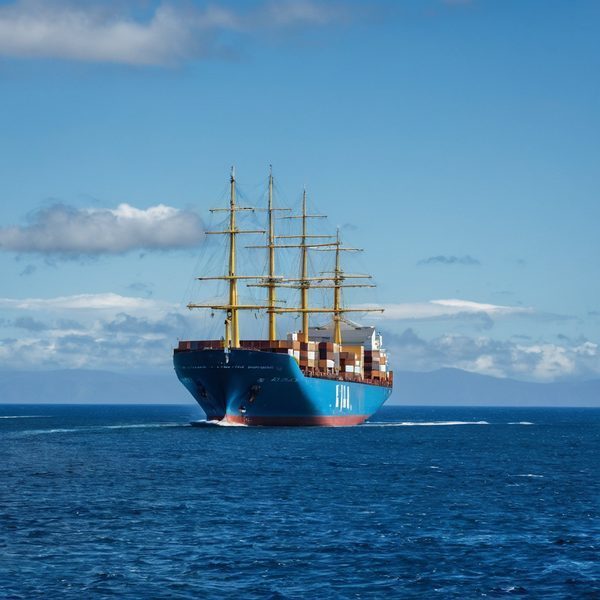
MAJURO — The Pacific’s vital inter-island shipping network is at a crossroads, with experts warning that ageing fleets, rising fuel costs and chronic under‑investment are pushing the region toward a transport crisis — and urging immediate, locally tailored moves to low‑carbon shipping, including wind‑assisted propulsion. Natasha Chan, assistant legal researcher at the Micronesian Centre for Sustainable Transport, told a regional forum that the region is “trapped in a vicious cycle” of old vessels, weak maintenance and limited insurance capacity that leaves many communities vulnerable to supply disruptions.
Chan said Pacific island nations remain heavily dependent on imported fossil fuels and long‑haul routes, facing some of the world’s highest maritime connectivity costs. She highlighted research showing fuel savings of at least 40 percent are achievable with mature technologies properly adapted to the Pacific context, and urged investment in vessel designs scaled for small inter‑island services. Wind‑assisted systems — rudimentary sails and modern rotor or wing‑sail technologies — were cited as among the most practical near‑term options; tests during the 1980s fuel crisis delivered roughly 30 percent savings, and modern materials and designs could improve that performance for domestic vessels.
The call for practical, region‑specific solutions comes as global maritime innovation accelerates — from hydrogen projects to large clean‑fuel initiatives — but Chan warned many of those advances are ill‑suited to the Pacific without dedicated research and financing at the scale of smaller vessels. Her comments build on recent regional moves to strengthen maritime governance and decarbonisation, including the International Maritime Organization’s growing footprint in Suva, which supporters say could help coordinate technical support and climate finance.
Other developments across the Pacific underscore the region’s intersecting security, health and governance challenges. Timor‑Leste President José Ramos‑Horta warned this week that his country is vulnerable to “infiltration by foreign organised crime,” a concern with implications for maritime and border security. In Fiji, the Climate Change Minister has outlined key priorities intended to accelerate Pacific climate action, while the Fiji Chief Justice has described recent retirement rules as “discriminatory,” raising questions about public service reform and legal challenges to administrative policy.
Humanitarian and community pressures are also mounting. Gizo hospital in the Solomon Islands has declared a state of emergency, and the University of the South Pacific has announced it has doubled student support measures amid a global crisis that is straining families and institutions. In Papua New Guinea, Health Minister Dr. Awi‑kapavore (Kapavore) praised the services provided by a visiting Chinese medical ship, reflecting ongoing health diplomacy in the region. Pacific leaders are also spotlighting inspiration and outreach: the trajectory of American astronaut Dr. Christina Koch has been framed as a model to encourage Pacific youth into science and technology.
The week’s business and law enforcement headlines ranged from Vanuatu to Vanuatu’s neighbours: a Luganville businesswoman was jailed in a VT143 million cigarette smuggling case; Vanuatu Prime Minister Napat launched Emua Vila, billed as the country’s first economic micro‑hub; and a high‑profile warning by a commentator named Anthony cautioned that proposed fuel price increases would drastically hurt Fijian workers. Concerns about financial integrity persist — a politically connected crypto project reportedly pursued a resort linked to figures alleged to be part of a scam syndicate, prompting renewed scrutiny of investor protections.
Amid these pressures, regional preparedness work continues. Weather Ready Pacific has strengthened early warning systems to better safeguard island communities against storms and other hazards, a move that officials say complements efforts to make lifelines such as shipping more resilient. The latest round of announcements underscores a recurring theme: the Pacific faces tightly coupled climate, economic and security risks, and policymakers are pressing for practical, locally adapted solutions — from wind‑assisted ships to improved governance and emergency systems — to keep islands connected and communities safe.
Leave a comment