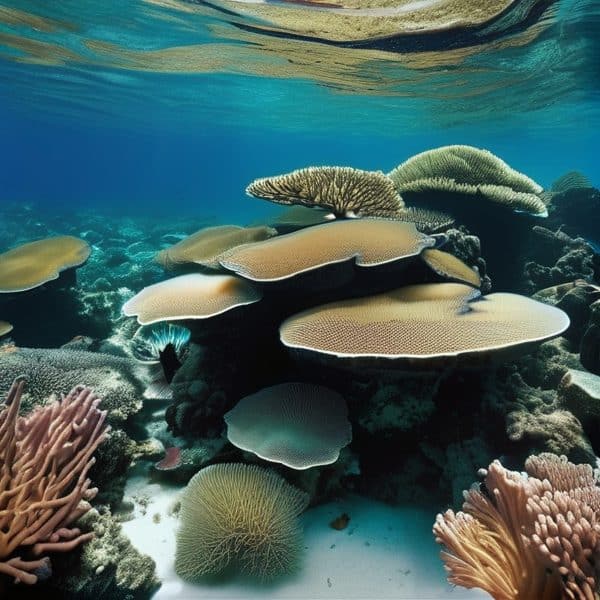
Reef Explorer Fiji has reported a widening coral bleaching event affecting multiple reef systems around Fiji, with its survey team returning from Northern Kadavu this week to find bleaching on both nearshore reef flats and the outer barrier reef. The marine conservation group said the event now stretches from Kadavu along the Coral Coast and into the Mamanuca and Yasawa island groups, with early signs of bleaching also reported around Savusavu.
“This ongoing coral bleaching event is occurring on both nearshore reefs and the outer barrier reef,” Reef Explorer Fiji said in a social media statement, adding that reports indicate the phenomenon is widespread across the western and southern reef systems. The organisation attributed the bleaching to several pulses of unusually warm seawater in recent weeks that pushed mean daily sea-surface temperatures to approach and, in places, exceed 30°C — a threshold long associated with thermal stress to corals.
Reef Explorer Fiji said Tropical Cyclone Urmil provided a brief reprieve by cooling surface waters, but warned the benefit was temporary. “Seawater temperatures are on their way back up,” the group said, and cautioned that a series of low tides expected this week — particularly those occurring around midday — could further expose shallow reef zones to higher temperatures and solar heating, increasing mortality risk for stressed colonies.
The group noted, however, that not all corals are equally affected. Teams identified colonies showing greater tolerance to elevated temperatures, which Reef Explorer Fiji said are encouraging for restoration planning. “Some corals are showing resilience to the hotter ocean temperatures,” the organisation reported, and those heat-tolerant colonies can be readily identified and prioritised for coral gardening and other restoration techniques intended to help “future-proof” reef systems.
Marine heatwaves and tidal exposure are well-established drivers of mass bleaching events worldwide: when water temperatures rise and remain elevated, corals expel the symbiotic algae that sustain them, turning white and becoming more vulnerable to disease and death if stressful conditions persist. Local reef managers and conservationists say identifying and propagating thermally tolerant genotypes is one of the most practical near-term strategies to increase reef resilience, though it is not a substitute for broad reductions in ocean warming.
The latest observations mark a concerning escalation in reef stress in Fiji’s key tourism and fisheries habitats at a time when both local communities and conservation groups are already grappling with variable weather and cyclone impacts. Reef Explorer Fiji’s field detections add to growing signs that this summer’s marine temperatures around the South Pacific are producing recurrent thermal stress across island reef systems. Authorities and marine scientists are monitoring developments closely; further surveys and water-temperature monitoring will be needed to determine the full extent of bleaching, recovery prospects for affected reefs, and which resilient colonies are best suited for scaling up restoration efforts.
Leave a comment