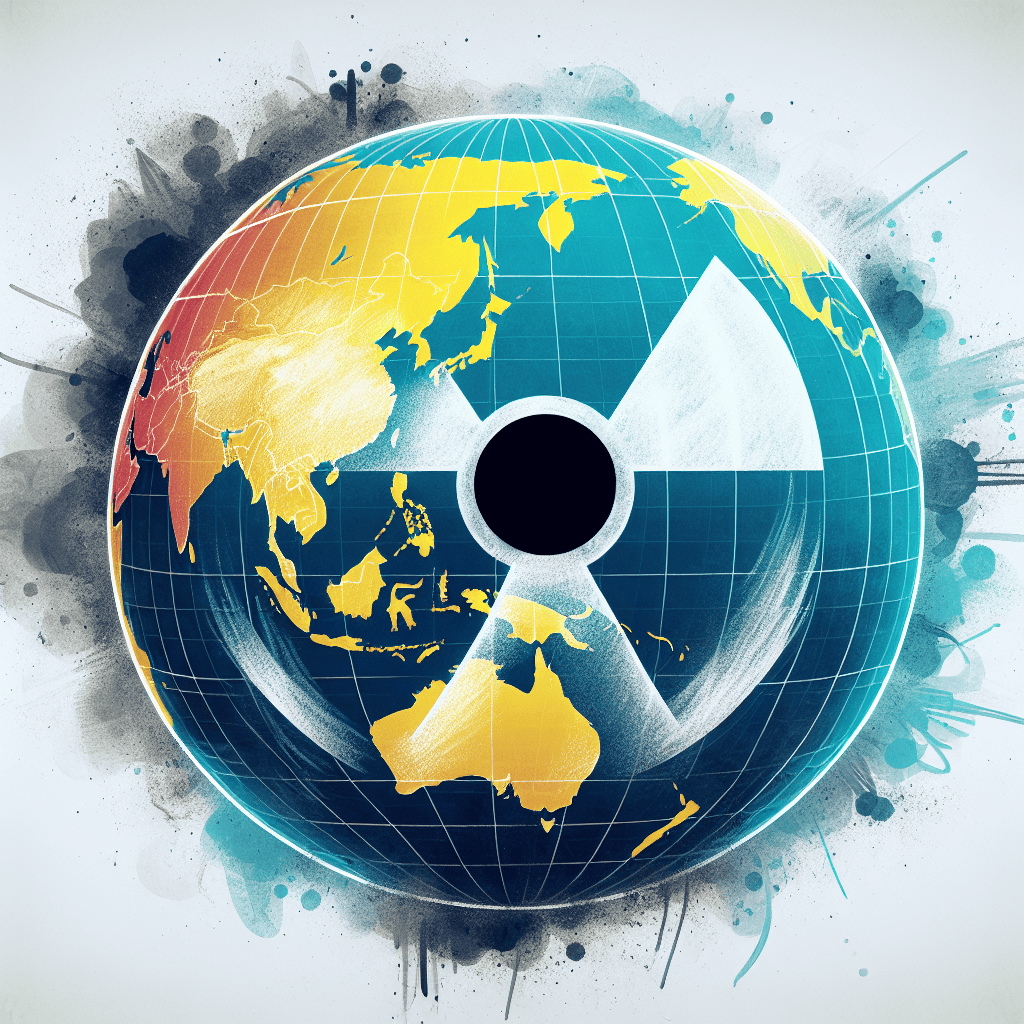
The World Council of Churches (WCC) is urging unity among church communities to take a stand against nuclear issues, coinciding with the impending 80th anniversary of the bombings of Hiroshima and Nagasaki, pivotal events in World War II history.
A statement issued by the WCC emphasizes the importance of amplifying Pacific voices in the face of geopolitical tensions that often marginalize local communities. The WCC’s call aligns with the upcoming adoption of the “Ocean of Peace Declaration” during the Pacific Islands Forum Leaders Meeting in September 2025, which aims to replace militarized security approaches with holistic peace strategies.
The WCC is advocating for a nuclear-free Pacific and supports communities affected by nuclear activities, particularly in Ma‘ohi Nui, the Marshall Islands, and Kiribati. They are demanding independent evaluations of the impacts of nuclear testing, transparent access to data, reparations, and environmental restoration, as well as universal ratification of the Treaty of Rarotonga and the Treaty on the Prohibition of Nuclear Weapons.
Additionally, the WCC affirms the need for decolonization and the recognition of indigenous rights, calling for the continued listing of Ma‘ohi Nui and Kanaky on the UN decolonization agenda until full self-determination is achieved. They are also pushing for transparency in military exercises and a moratorium on autonomous weapons, which they believe threaten regional peace.
In light of ongoing climate challenges, the WCC urges a ban on deep-sea mining and emphasizes the importance of including Pacific voices in global climate discussions, advocating for a cohesive relation between scripture, indigenous beliefs, and scientific approaches to environmental justice.
The organization’s reaffirmation of West Papua’s right to self-determination highlights its broader commitment to justice and human rights, marking a concerted effort to unify support for marginalized populations in the Pacific.
This push for a collective approach aims to align local needs with global policies, fostering a future where peace and justice prevail in the Pacific region.
As these discussions unfold, there remains hope for collaborative actions that can lead to lasting peace and improved well-being for communities throughout the Pacific.
Leave a comment