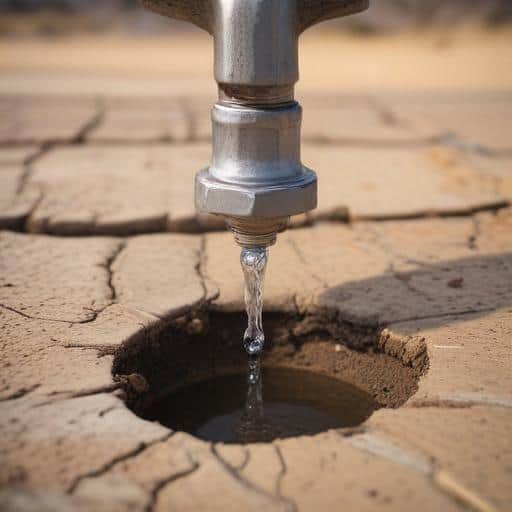
More than a hundred households in the Bulileka, Lowcost, and Boubale communities near Labasa have been without water for three days, leading to significant hardships for the residents. Bindesh Chand, a local resident, expressed the struggles families are facing, particularly when preparing children for school. Residents have resorted to using nearby rivers for laundry and drinking water, while some are purchasing bottled water to meet their needs.
The situation has raised concerns, particularly regarding potential health risks, with residents worried about an increase in typhoid and diarrhea cases potentially linked to contaminated water sources. Chand emphasized that his community experiences frequent water cuts, and there has been a lack of water carting services provided by the Water Authority of Fiji (WAF). Another villager, Arieta Batikona, noted that although the river is being used as an alternative water source, it remains unsafe for drinking due to pollution from heavy rainfall runoff.
This ongoing issue echoes the broader challenges faced by communities throughout Fiji, including a similar situation on Khalsa Road in Suva, where residents have been enduring persistent water shortages for nearly two years. Families there have also reported similar hardships related to their children’s health, hygiene, and education due to water supply disruptions.
As residents continue to experience these difficulties, there is a collective hope for governmental intervention and improvements in water supply management. The proactive efforts from both the affected communities and local authorities are essential in addressing these urgent needs and ensuring access to clean water for all residents, which is vital for health and daily functioning.
Addressing such water crises can pave the way for stronger community resilience and improved health outcomes in the long term, reinforcing the importance of reliable infrastructure and responsive governance.
Leave a comment