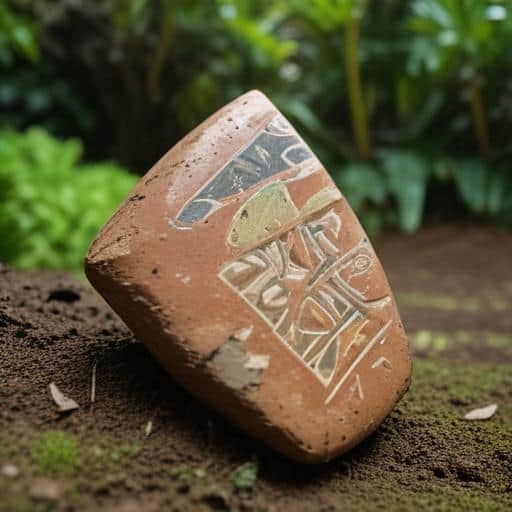
In 1992, the Fiji Museum conducted an investigation into a remarkable pottery find that was believed to be 500 years old in Tavua. According to a report, officials from the museum speculated that this pottery originated from an ancient village site. The discovery was brought to the museum’s attention by a field party from the government’s Mineral Resources Department, which was surveying an area where the clay was being extracted for bricks.
The excavation site, located beside Tavua Village, revealed pottery in a layer extending at least 60 meters and possibly deeper beneath the current village. Museum field research officer Sepeti Matararaba and New Zealand archaeologist Andrew Crosby visited the site to explore its significance. Crosby noted the age of the pottery and suggested that it represents a previous iteration of Tavua Village, which was likely abandoned and buried due to flooding from nearby Tavua River.
The excavation yielded not only pottery but also a concentrated area of marine shells, believed to be remnants of food consumed by the villagers. Samples of these findings were forwarded to the museum for further analysis. Matararaba expressed gratitude for local contributions in reporting such historical discoveries.
This exploration adds to previous archaeological interests in Fiji, including significant findings related to indigenous caves, which hold deep cultural relevance and historical narratives. These discoveries underscore the importance of preserving Fiji’s rich archaeological heritage and the interconnectedness of traditional practices and community identities.
This ongoing passion for uncovering and valuing historical artefacts further illuminates Fiji’s stunning cultural tapestry, serving as a reminder of the vital link between past and present. With community involvement, the preservation and understanding of such heritage can offer insights into Fiji’s ancient cultures, fostering appreciation and awareness for future generations.
Leave a comment