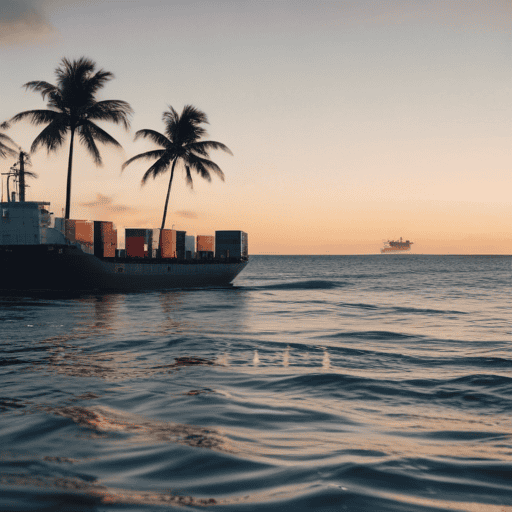
President Trump’s recent implementation of tariffs is aimed primarily at countries like China, Canada, and Mexico. Although Fiji itself is not directly impacted, the potential global economic fallout could have indirect effects on the Fijian economy. The tariffs are expected to aggravate a trend known as “slowbalisation,” which refers to the deceleration of global trade in both value and volume, as well as the diminishing significance of global value chains. This phenomenon results in a decreased exchange of intermediate goods among nations, which is pivotal for exploiting comparative advantages.
According to a report from Oxford Economics Resource, this slowdown in trade could lead to lowered demand for exports from smaller economies, including Fiji. The tariffs may also disrupt existing global supply chains, prompting companies worldwide to reconsider their sourcing and manufacturing strategies. Such realignments could have cascading effects on countries like Fiji, particularly if they are integrated within these international networks.
Moreover, the ramifications of tariffs on major international economies may lead to increased consumer goods prices and a potential dip in global economic growth. Such shifts could indirectly impact Fiji, affecting crucial areas like tourism, foreign investment, and commodity prices.
In summary, while Fiji does not bear the brunt of President Trump’s tariffs, the ensuing global economic changes could have significant ripple effects on its economy. This underscores the interconnectedness of today’s global economy, where localized actions can yield far-reaching consequences. A hopeful outlook is that, in navigating these challenges, Fiji may become more resilient and adaptable in the face of global economic shifts.
Leave a comment