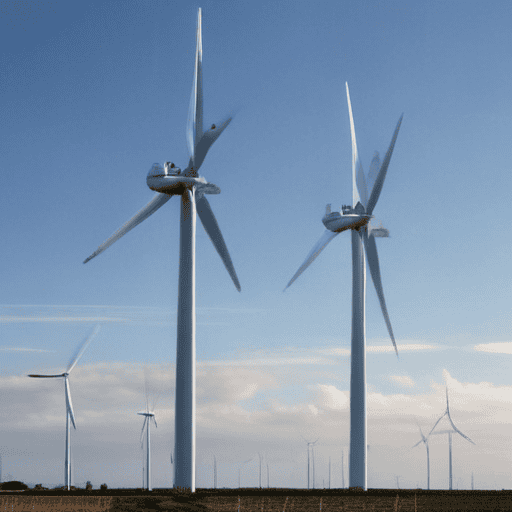
President Donald Trump’s recent executive order that halts offshore and onshore wind development projects is set to significantly impact Guam’s renewable energy initiatives. This order, effective January 21, restricts any new or renewed wind energy leasing in all areas within the offshore continental shelf, effectively stalling momentum for a project recently announced by the Biden administration on January 6, which aimed to advance offshore wind energy leasing in Guam.
The Bureau of Ocean Energy Management (BOEM) had recently sought public input regarding potential commercial wind energy leasing on Guam’s outer continental shelf. This proposed area spans approximately 2.1 million acres, situated off the coast of Guam and featuring water depths ranging from 350 to 2,200 meters. The initiative is part of Guam’s broader ambition to achieve 50% renewable energy by 2035 and fully transition to renewable sources by 2045.
Trump’s executive order specifies that the withdrawal does not affect leasing for other purposes such as oil, gas, minerals, and environmental conservation, but it clearly signals a pause on wind energy developments, which are crucial for measuring climate change impacts and enhancing energy independence.
The implications of this halt are significant not only for Guam’s energy goals but also for broader concerns regarding climate initiatives in the Pacific region. As the U.S. presidential election approaches, there is increasing scrutiny on how the political landscape will affect small island nations, particularly in light of the urgency regarding climate change and the geopolitical tensions influenced by China’s growing military assertiveness in the region.
Guam’s unique status as a U.S. territory presents challenges—its residents are disenfranchised in federal elections, yet the local government advocates for strong energy policies and security measures. Congressman James Moylan has previously emphasized the critical need for support for Guam, indicating his preference for a president who prioritizes security in the face of these complex regional dynamics.
As discussions intensify regarding the U.S. election’s impacts on Pacific islands, there remains hope that regardless of who wins, future dialogue can lead to enhanced collaboration and effective solutions that prioritize climate resilience and economic security for these vulnerable communities. The urgent need for meaningful action in addressing climate change and forging strong partnerships underscores the significance of this moment for the Pacific Islands.
Leave a comment