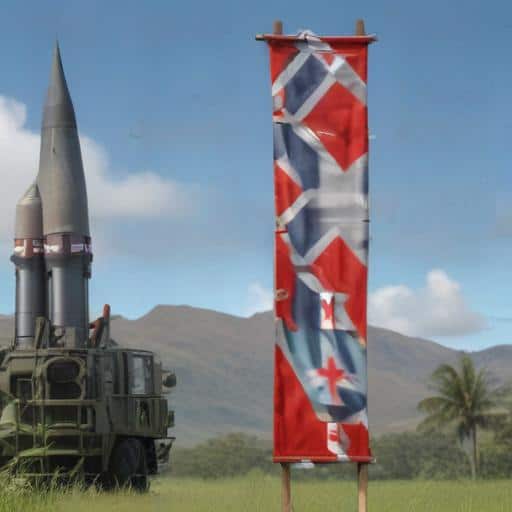
Pakistan conducted a second missile test within three days on Monday, coinciding with India’s instruction to several states to prepare for security drills amid rising tensions following a deadly attack in Kashmir. The incident has heightened fears of a possible confrontation between the two neighboring nuclear-armed countries, already fraught with hostility.
Recently, on April 22, 26 people lost their lives to gunfire in an attack targeting Hindu tourists in Indian-administered Kashmir—the deadliest assault of its kind in nearly 20 years. India has accused Pakistan of having a hand in the violence, which Islamabad denies, with Pakistani officials alleging that India may be considering military action against them.
The current standoff has led both nations to close borders, halt trade, and restrict air travel, compounding the diplomatic crisis. Exchanges of gunfire across the Line of Control (LoC) have reportedly taken place, further escalating tensions. In a preemptive measure, India’s interior ministry has directed various states to conduct mock security drills on May 7 to enhance readiness against potential threats. The specific states involved were not disclosed.
This missile test comes shortly after Pakistan’s army successfully launched two types of surface-to-surface missiles. Prime Minister Shehbaz Sharif characterized the latest test of the Fatah missile, which has a range of 120 km, as a clear indication that Pakistan’s defense capabilities are solid. Meanwhile, communication channels between India and Pakistan remain closed, exacerbating the crisis atmosphere.
The situation in Kashmir, a region claimed in its entirety by both countries but administered in parts, continues to be a flashpoint for long-standing tensions exacerbated by mutual accusations of support for insurgents. India insists Pakistan backs Islamist militants seeking to disrupt stability in the region, while Pakistan maintains that it only provides diplomatic support to Kashmiris advocating for self-determination.
This current escalation is observed not just as a local issue but one that bears implications for regional stability and international relations as global powers call for calm. The hope remains that diplomatic dialogue could pave the way to resolving these conflicts and restore peace in the region, which many view as critical for both nations’ economic and social stability.
As tensions flare, international voices advocate for a reduction in hostilities, and the potential for renewed dialogue presents a glimmer of hope amid the current unrest.
Leave a comment