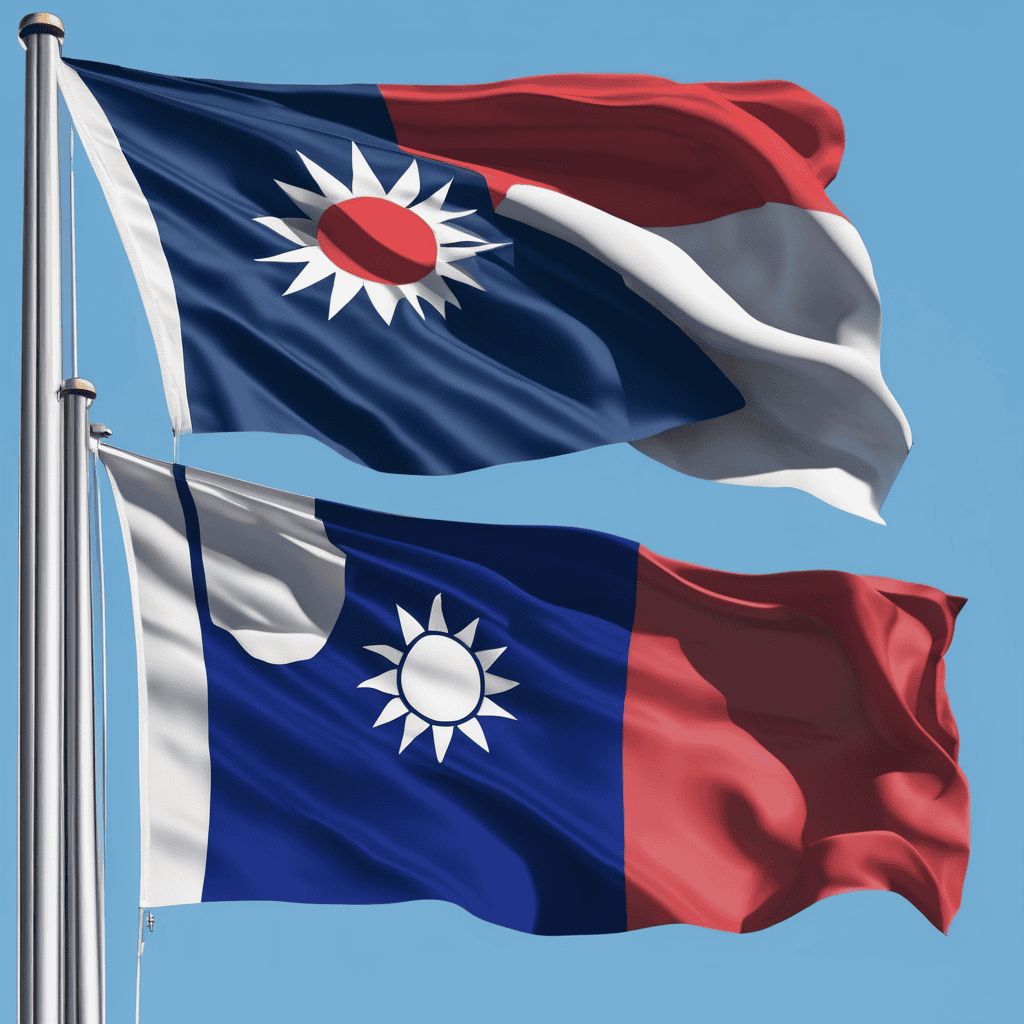
Taiwan has recently welcomed a significant diplomatic visit from Filipo Tarakinikini, Fiji’s permanent representative to the United Nations, marking a notable exception in diplomatic relationships as Fiji maintains formal ties with Beijing. This visit included discussions with Taiwan’s Vice President Hsiao Bi-khim and other UN ambassadors from countries that align with Taiwan, such as the Marshall Islands and Paraguay. Hsiao expressed gratitude to these representatives for their enduring support, which has enabled Taiwan to engage meaningfully within international systems, especially the United Nations.
During his visit, Tarakinikini also had a dinner meeting with Taiwan’s Foreign Minister Lin Chia-lung. However, both the Fijian foreign ministry and China’s foreign ministry have not yet responded to requests for comments regarding the implications of this diplomatic encounter. The backdrop of this meeting is significant; China considers Taiwan a renegade province and opposes any formal diplomatic contact between Taiwan and countries it recognizes.
The engagement comes as Fiji’s Prime Minister Sitiveni Rabuka has publicly opposed the establishment of a Chinese military base in the Pacific, emphasizing Fiji’s strategic stance amid rising geopolitical tensions between Beijing and Washington. Given the Pacific Islands’ importance in security dynamics, both China and the U.S. have been vying for influence, making Fiji a focal point.
Taiwan, which has diplomatic relationships with only 12 countries, three of which are Pacific Island nations, has maintained a de facto embassy in Fiji. This recent interaction also touches on Taiwan’s previous diplomatic issues, notably an incident in 2020 where a Taiwan diplomat was hospitalized following a confrontation with Chinese diplomats.
The historical context reflects that in 2005, Taiwan’s former President Chen Shui-bian made a brief stop in Fiji during a Pacific tour, although he did not engage with local officials. Given the delicate balance of diplomacy in the region, this visit not only highlights Taiwan’s efforts to strengthen its international presence but also raises questions about the evolving nature of Fiji’s foreign relations, especially as it navigates its ties with both China and Taiwan.
In a global landscape marked by shifting alliances and strategic partnerships, there remains hope that increased dialogue and cooperation can enhance regional stability and foster mutual understanding among nations. As Fiji expands its diplomatic engagement, it opens pathways for contribution and dialogue that may yield benefits for both Taiwan and the Pacific region as a whole.
Leave a comment