public health
-
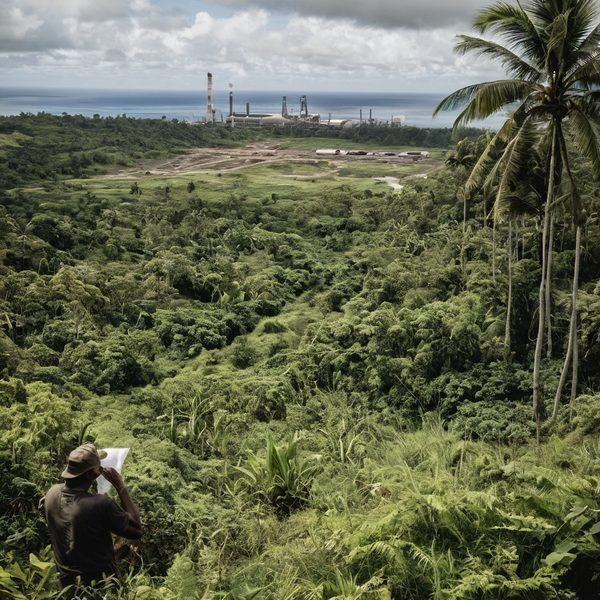
Final public submissions due as Fiji weighs Vuda waste-to-energy plant amid tourism-driven waste and dengue concerns
Fiji’s tourism boom collides with a proposed Waste-to-Energy plant near Lautoka, fueling a heated debate over health, air quality, and how to manage waste as public submissions draw to a close.
-
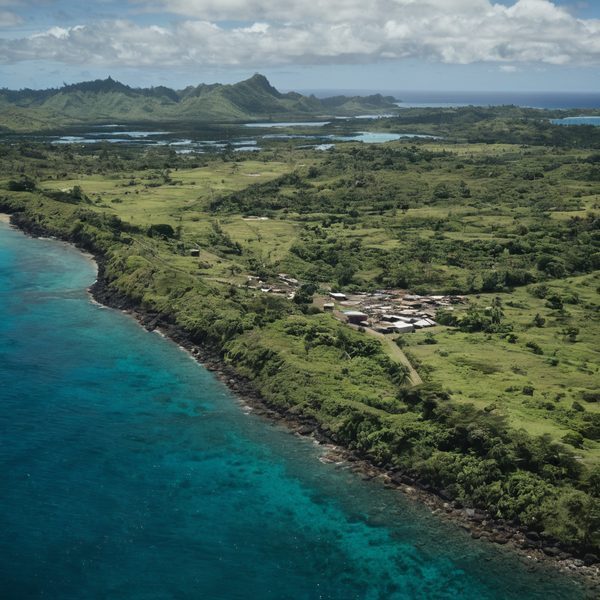
Fiji’s UN envoy urges transparent, science-based review of the $1.4B Vuda-Saweni waste-to-energy project
Fiji’s UN envoy sharply questions a proposed $1.4B waste-to-energy plant at Vuda-Saweni, demanding complete, science-based transparency on air, water, and health impacts before any decision moves forward. Citing past operator controversies and regulatory uncertainties, he signals that public safety and environmental safeguards must come first in this high-stakes debate.
-
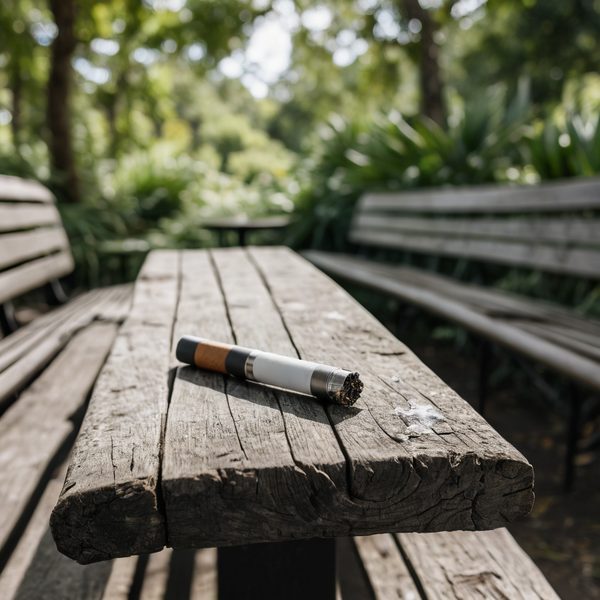
Vaping linked to cancer risk in NZ study, prompting calls for stricter regulation and youth protections
New findings suggest vaping may carry a measurable cancer risk, especially when used beyond smoking cessation. Heating vape liquids can generate toxic byproducts like formaldehyde and acrolein. While vaping is likely less harmful than smoking, the exact risk remains unquantified, prompting calls for precaution and tighter controls—especially to curb youth use.
-

Fiji advances toward needle-and-syringe program to curb HIV with legal checks and community engagement underway
Fiji is finalising a needle and syringe program aimed at reducing HIV among high‑risk groups. Officials say success will hinge on legal clarity, strong community buy‑in, and careful coordination of enforcement as they iron out details before any rollout.
-
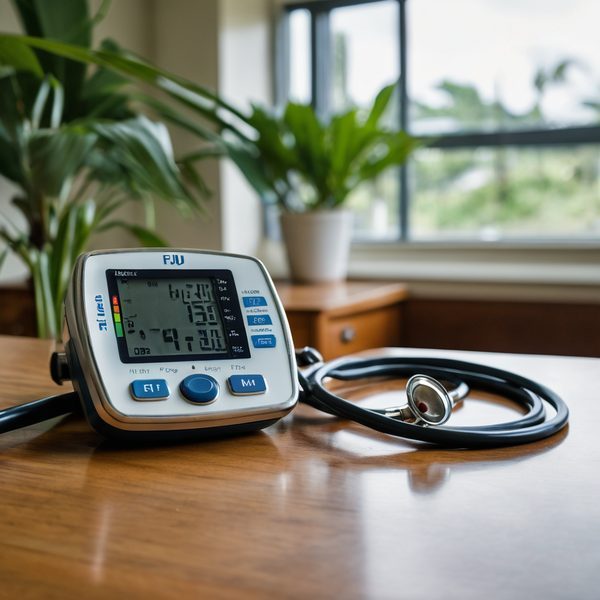
ADB: Fiji’s NCD burden costs $263M annually, eroding productivity and growth
Fiji’s rising burden of non-communicable diseases is quietly undermining productivity and resilience. From diabetes to cardiovascular conditions, the toll on the workforce is prompting urgent questions about health funding and reform. A closer look suggests timely actions to curb risk factors and close critical gaps.
-
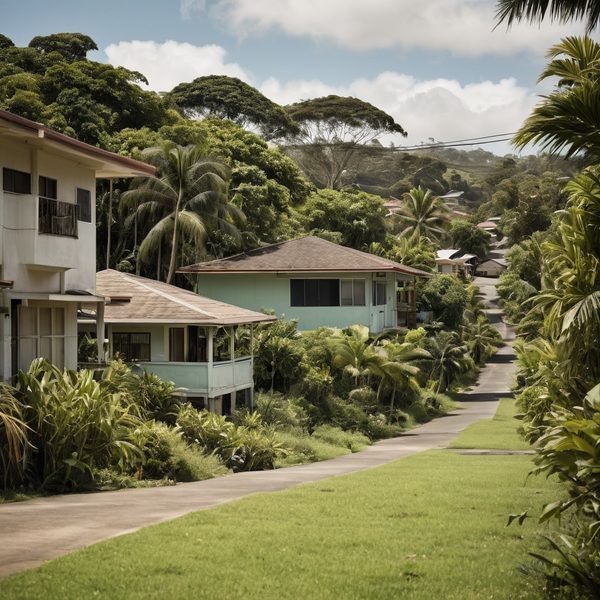
New Caledonia faces dengue epidemic as DENV-1 red alert drives intensified vector control
New Caledonia is grappling with an escalating dengue outbreak, now in an active epidemic phase. As transmission spreads beyond urban cores, authorities are tightening vector-control and personal-protection measures, underscoring the ongoing risk for residents and visitors alike.
-

Fiji’s non-communicable disease burden hits economy as ADB calls for rapid health reform and sugar tax
Fiji’s health crisis is reshaping its economic outlook. As non-communicable diseases rise, policymakers are weighing fast-tracked reforms in prevention, primary care, and how to fund them—hinting at big policy shifts ahead.
-
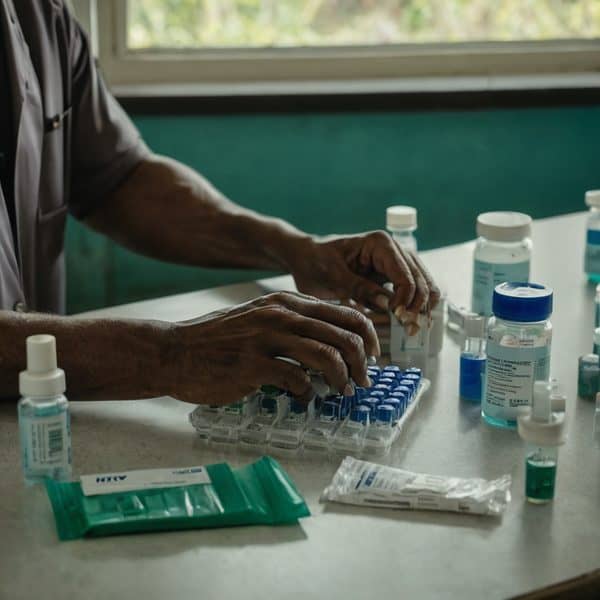
Fiji Moves to Modernize HIV Prevention with PrEP, PEP and Needle-Syringe Programs
Fiji’s HIV prevention approach is being called outdated by a senior health official, who urges an urgent, evidence-based overhaul. Moving beyond traditional ABC messaging, she highlights PrEP, PEP and harm-reduction options while tackling the stigma that blocks testing and care.
-

Fiji targets TB-free by 2035 with updated WHO guidelines and stronger TB-HIV care
Fiji has set an ambitious target to be TB-free by 2035, but rising cases and service gaps threaten progress. Updated guidelines and a stronger focus on early detection, treatment adherence, and integrated TB-HIV care signal a broader push to reach remote and vulnerable communities. Sustained funding and local engagement will be critical as the plan…
-

Fiji TB-HIV Co-Infection Surges to 41%, Prompting Push for Integrated Health Care
Fiji is facing a sharp rise in TB and HIV co-infections, sparking urgent calls for a connected, patient-centered approach to care. As the overlap spreads across age groups, experts warn that closer integration of services at the community and primary-health levels is essential to shield frontline health systems.