Middle East conflict
-
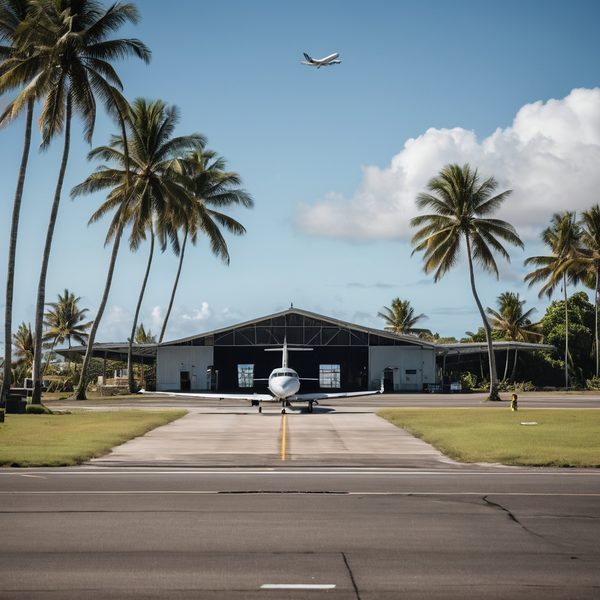
NZ ready to ferry Pacific leaders to Palau if fuel pressures spike ahead of August Forum
Pacific leaders gearing up for the August Forum in Palau face travel hurdles and volatile fuel prices. While there’s no immediate disruption risk, contingency plans are ready if conditions shift. As multi‑hop journeys and regional resilience come into focus, the Pacific’s broader challenges—climate, energy and biodiversity—loom large.
-
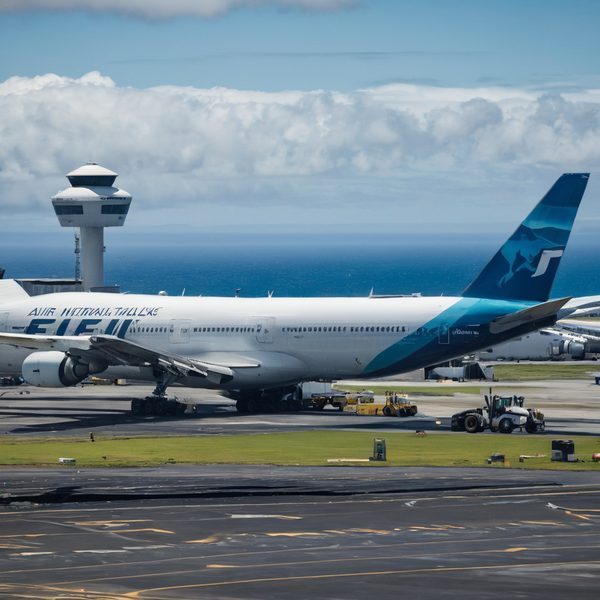
Luxon: Pacific Islands Forum Travel to Palau Is On Track Despite Fuel-Price Pressures
Global energy jitters loom over Pacific travel plans for the Palau Forum. Wellington says it stands ready to help if fuel pressures bite, signaling cautious optimism as the region watches oil markets closely.
-

Fiji Activates Contingency Plan as IMF Signals Global Growth Slowdown
– Global alarms are rising as warnings from IMF and regional lenders converge. Fiji faces three possible paths—from a mild slowdown to contraction—putting cash flow, staffing, and buffers in the spotlight. – With fuel shocks, shipping disruptions, and tighter credit on the horizon, Fiji must prepare now. A practical plan outlines how businesses can weather…
-
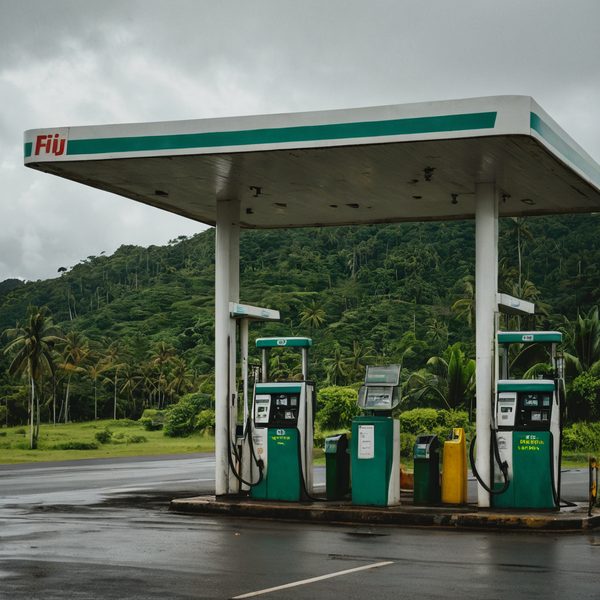
April fuel-price spike in Fiji lifts cost of living amid Middle East tensions
April delivered a sharper squeeze to Fiji’s cost of living as fuel prices rose and global tensions seeped into daily budgets. The ripple effects, driven by imports and transport costs, could linger even if oil markets stabilise. With limited fiscal room, officials are weighing targeted relief and resilience measures—from local food production to policy supports—to…
-
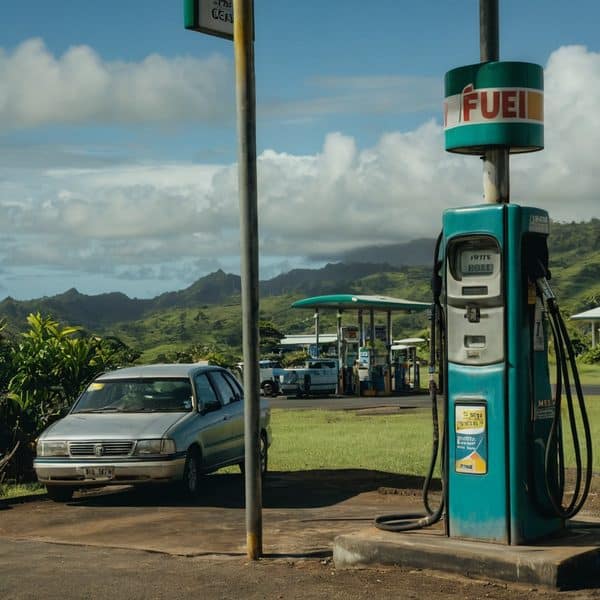
ADB Warns Middle East Conflict Could Slow Pacific Growth and Lift Inflation, with Fiji Facing Higher Fuel Costs
An ADB assessment warns that the Middle East conflict could ripple through Fiji and the wider Pacific, slowing growth while lifting inflation as fuel and shipping costs climb. Fiji’s reliance on imported energy could push up living costs and stress tourism, highlighting the need for faster energy diversification and targeted support to build resilience.
-
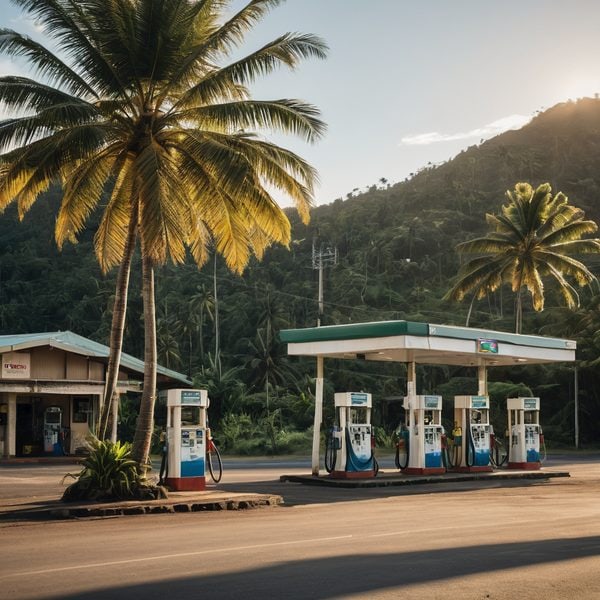
Fiji activates initial stage of National Fuel Emergency Plan as global energy markets reel
Facing volatile energy markets, Fiji activated the first phase of its National Fuel Emergency Action Plan. With stockpiles solid but prices rising, officials urge immediate conservation and outline staged steps that could reshape travel, work routines, and daily life as the situation evolves.
-

Fiji Airways to Keep Full International Schedule as Fuel Prices Surge, Signs Deal With Tourism Fiji to Safeguard Tourism and Trade
Fiji Airways pledges to keep its full international schedule despite rising jet fuel costs, balancing higher expenses with preserving seat capacity for tourism and trade. The airline also highlights Fiji’s appeal as a safe, family‑friendly destination and notes a new collaboration with Tourism Fiji to keep visitors flowing.
-

Fiji reassures stable fuel supply, urges calm as Cabinet prepares long-term contingency plan amid Middle East conflict
Geopolitical tensions are testing Fiji’s fuel resilience. Officials say stocks are sufficient for now, but panic buying could disrupt supply and pose safety risks. With a Cabinet meeting to lock in long-term contingency plans, authorities are urging calm and careful pumping as the situation evolves.
-

Fiji Cabinet to finalize long-term fuel contingency plan as global energy markets stay volatile
Fiji eyes a long-term fuel contingency as international tensions escalate. A Cabinet meeting will outline steps to safeguard supplies, reassure the public, and keep critical stocks steady for months. Authorities emphasize ongoing updates and close coordination with suppliers.
-

Fiji petrol set to rise about 25c per litre by May as Middle East tensions push global oil prices higher
Rising Middle East tensions could lift global oil prices and push Fiji’s petrol higher—potentially about 25 cents per litre over the next couple of months. Expect spillovers into aviation fuel and travel costs as markets adjust to the evolving price landscape.