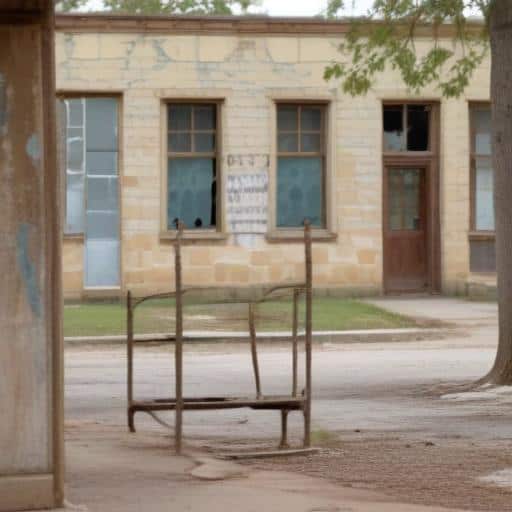
A recent infrastructure assessment has unveiled significant deficiencies in schools along the Suva-Nausori corridor, pointing out critical issues such as overcrowding, inadequate sanitation, and poor accessibility. The Revised Infrastructure Assessment Report sheds light on the severe gaps in the learning environment and calls for immediate action to remedy these challenges.
Commissioned by the government, the assessment focused on 86 schools in the Suva-Nausori region and serves as a guiding framework for future investment aimed at enhancing educational facilities and resilience against disasters. Alarmingly, 70 percent of the schools examined exceed the recommended classroom capacity, with discrepancies noted between the Fiji National Building Code (FNBC) and the Ministry of Education (MoE) regarding overcrowding standards. The FNBC suggests that nearly all schools are overcrowded, while the MoE’s criteria only identify a small fraction of schools facing space constraints.
To meet minimal requirements, primary schools require an additional 168 classrooms and secondary schools need 81 classrooms, assuming a basic space allocation of 1.5 square meters per student. Under a stricter guideline of 2 square meters per student, the demand for extra classrooms skyrockets to 745.
Sanitation facilities are likewise insufficient; nearly half of the schools assessed do not comply with the FNBC’s toilet-to-student ratio. This is particularly concerning for female students, as inadequate facilities contribute to higher absenteeism, especially during menstrual cycles. Moreover, none of the schools provide accessible toilets for students with disabilities, reflecting a broader lack of inclusive infrastructure.
Structural issues abound as well, with 55 percent of schools reporting problems like cracked walls, corroded roofing, and damaged flooring. The maintenance of schools is inadequate, showing that primary institutions experience more deterioration compared to secondary schools. The lack of disaster preparedness poses a further risk; although many schools serve as evacuation centers, several lack the necessary structural integrity to withstand extreme weather events.
Amid these alarming findings, the report offers solutions by recommending the construction of 249 new classrooms, enhancements to sanitation facilities—especially for female students—and the installation of accessible infrastructure. It calls for regular building inspections, repairs for deteriorating structures, and upgrades to existing evacuation centers.
Prime Minister Sitiveni Rabuka, along with outgoing Australian High Commissioner to Fiji Ewen McDonald, presented the report, affirming a commitment to address the necessary improvements in school infrastructure. This assessment signals a pivotal moment for educational reform in the region, prompting discussions about funding and strategic planning to enhance the learning environment for all students.
The newfound awareness of these pressing issues may serve as a catalyst for future investment, potentially leading to significant improvements in school infrastructure. With collaboration from the government, community, and international partners, there is hope for transforming the educational landscape in Fiji, ensuring that every child has access to a safe and conducive learning environment.
Leave a comment