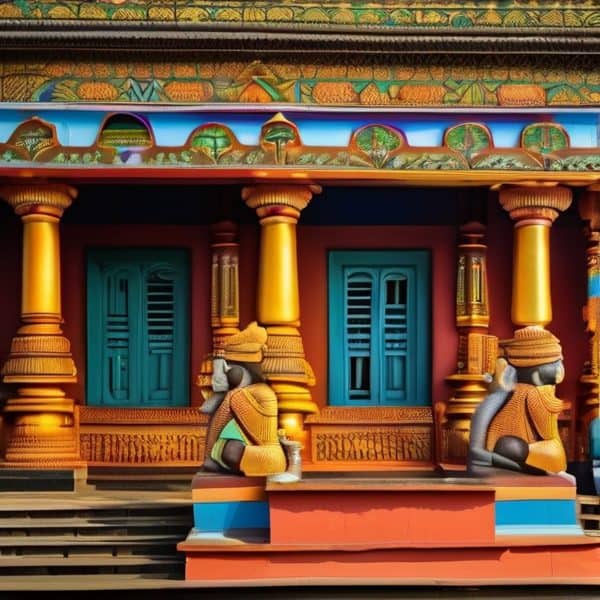
TISI Sangam Fiji launched a commemorative history book on the Sri Siva Subramaniya Swami Temple in Nadi, marking the latest milestone in the organisation’s year-long centenary program. The publication, unveiled at a ceremony in Nadi, aims to record the temple’s origins, the sacrifices of early devotees and the community efforts that transformed a place of worship into a potent symbol of Indo‑Fijian identity.
Author Dr Ponnu Goundar said the book grew out of concern that the memories of the temple’s founders and the hardships they endured were slipping away. “This book was borne from a simple but profound concern for a long time to write something about the Lord Murugan’s presence in this country,” Dr Goundar told the launch. He stressed that while many admire the temple’s grandeur, fewer know the stories of “call, struggle, faith and trying times” that made it possible, and warned that much of this history lived only in “fading memories, fading photographs and fading records.”
Dr Goundar described the Sri Siva Subramaniya Swami Temple as “not just a structure of stones, bricks and sculpture” but “a living symbol of devotion, resilience, unity and identity” rooted in the prayers and efforts of earlier generations. The book collects those narratives with the explicit intent of passing them on to younger Indo‑Fijians who may recognise the temple’s architecture but not the human stories behind it.
Indian High Commissioner to Fiji Suneet Mahta, the event’s chief guest, said the publication captured the temple’s enduring role within the community. “Dr Goundar’s book beautifully captures this journey of faith, resilience and cultural pride,” Mahta said, applauding the documentation of devotees’ collective efforts and the temple’s contribution to spiritual growth and unity among Fiji’s Indian community.
The launch is the latest development in TISI Sangam’s centenary activities. The organisation, founded by Sadhu Kuppuswamy in 1926 to serve South Indian migrants in Fiji, has staged a number of events this year to commemorate its 100th anniversary, from regional conventions and cultural programs to the nationwide “Torch of Unity” relay that culminated at the Nadi temple. A broader centenary history book project was announced previously by Sangam leadership, and the temple-focused volume expands that archival effort by zeroing in on one of the organisation’s most visible legacies.
Organisers say the temple history will supplement existing collections of photographs and oral testimonies, preserving details that might otherwise be lost. The book is positioned not only as a devotional or local history but as a scholarly record that links the temple’s evolution to the wider story of Indo‑Fijian settlement, religious practice and community organising.
With the centenary program continuing across the country, the new history is expected to form part of a legacy package for future exhibitions and educational work. Sangam leaders have emphasised that capturing these stories now is urgent: without a concerted recording effort, the nuances of how the temple and the Sangam grew in parallel risk being reduced to an architectural landmark rather than a chronicle of community resilience.
Leave a comment