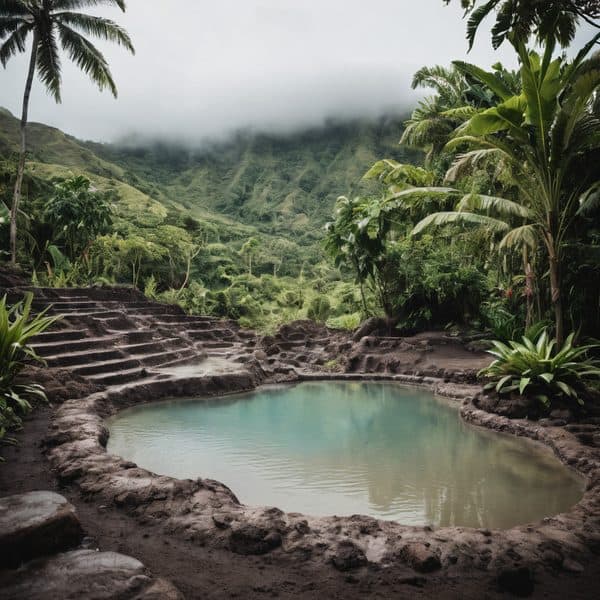
Tucked into the lush Sabeto Valley on the outskirts of Nadi, the Sabeto Hot Springs and Mud Pool is emerging from long-held local knowledge into wider recognition as one of Fiji’s distinctive natural wellness destinations. Once a place used primarily by nearby villagers for generations, the geothermal site is now drawing visitors keen on traditional remedies, simple rituals and an unvarnished connection with the land.
The hot springs sit in a geothermally active pocket where mineral-rich mud and warm waters rise naturally to the surface. For decades, local families have applied the volcanic mud — naturally infused with compounds such as sulfur — to soothe joint pain, improve skin conditions and support general wellbeing. Elders in the surrounding communities describe the mud pools as more than therapy: a social space where families gathered, exchanged stories and maintained cultural ties long before tourism arrived.
In recent years the valley has evolved into a visitor attraction, attracting both international travellers and Fijians curious to try a traditional mud treatment. The visitor experience deliberately mirrors local practice: warm, thick mud is spread over the body and allowed to dry in the sun, then rinsed away before moving into a series of naturally heated pools for a mineral-rich soak. Operators and community members say the absence of elaborate treatments or modern spa trappings — the simplicity of earth, heat and water — is central to the site’s appeal.
Despite growing interest, Sabeto has retained a rustic, village-style character. Local involvement is prominent in day-to-day operations, with many workers drawn from nearby settlements. Community participation not only helps sustain the site’s authenticity and traditional knowledge but also provides employment and supplementary income for villagers, tourism operators say. That local stewardship is being positioned as a model for how Fiji might expand its tourism offerings beyond luxury resorts while ensuring benefit flows to host communities.
Promoters of the site and tourism stakeholders are increasingly pointing to Sabeto as an example of diversification in Fiji’s tourism mix. The attraction markets itself as suitable for all ages and emphasizes fun and wellness rather than luxury — a ready fit for travellers seeking immersive experiences and cultural insight. Its proximity to Nadi also makes it an accessible addition to travel itineraries for those looking to pair beach and resort stays with a nature-based wellness outing.
The broader significance is tied to global trends in wellness tourism: as visitors look for meaningful, place-based experiences, natural sites with living cultural practices are gaining traction. For Sabeto, that means sustained visitor interest could bring economic opportunities for local communities while testing the balance between preservation and development. Stakeholders warn that maintaining the site’s traditional character — and community control of operations — will be key to ensuring the springs remain both authentic and beneficial to the people who have relied on them for generations.
Leave a comment