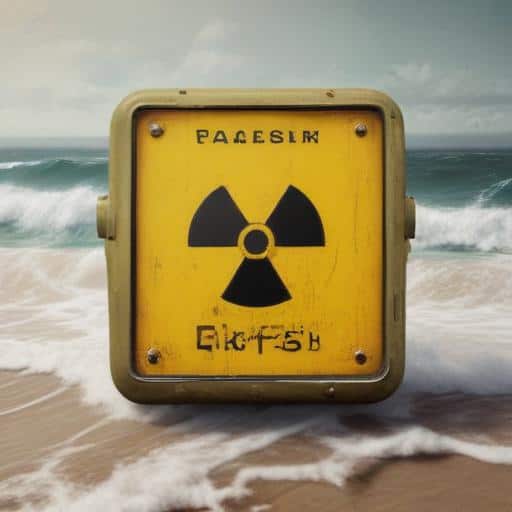
The University of the South Pacific’s Laucala campus recently hosted a pivotal event on March 21 to honor Nuclear Victims Remembrance Day, bringing together students and regional leaders to remember the profound impact of the nuclear tests conducted in the Marshall Islands from 1946 to 1958. This annual observance recognizes the thousands of Marshallese individuals affected by the 67 nuclear detonations, primarily at Bikini and Enewetak Atolls, which exposed residents to damaging levels of radiation.
At the event, Baron Waqa, Secretary-General of the Pacific Islands Forum, highlighted this year’s theme, “My Fish is Your Fish,” emphasizing the collective responsibility of Pacific nations to protect one another and the environment. He reminded the audience that the repercussions of nuclear testing extend beyond national borders, affecting marine ecosystems and the communities dependent on them for survival. Waqa stated, “As we remember those lost and honor those still suffering, we are reminded that the struggle for nuclear justice is a shared one.”
Junior Aini, Ambassador of the Marshall Islands to Fiji, reiterated the country’s commitment to negotiating revised compensation from the United States for the extensive and long-lasting damages caused by these tests. He pointed to the CROP Nuclear Task Force, which facilitates regional cooperation to address nuclear contamination and its effects.
Student Samuel Barton shared insights on the significance of the day, noting how nuclear testing has dramatically altered the lives and traditions of the Marshallese people and underscoring the interconnectedness of Pacific nations in this ongoing quest for justice.
The day concluded with a powerful march around the campus where participants donned red clothing, symbolizing unity in their advocacy for nuclear justice and remembrance of the victims affected by these tests.
Waqa concluded the observance by calling for all Pacific nations to work together toward a nuclear-free future. “Together, we will ensure that the Pacific remains a peaceful, nuclear-free region,” he affirmed.
This event not only serves as a poignant reminder of the past but also fosters hope for collective advocacy and a future where Pacific nations collaborate to promote health, justice, and environmental preservation. The unified commitment to confront historical challenges marks an important step toward a resilient and equitable future for all.
Leave a comment