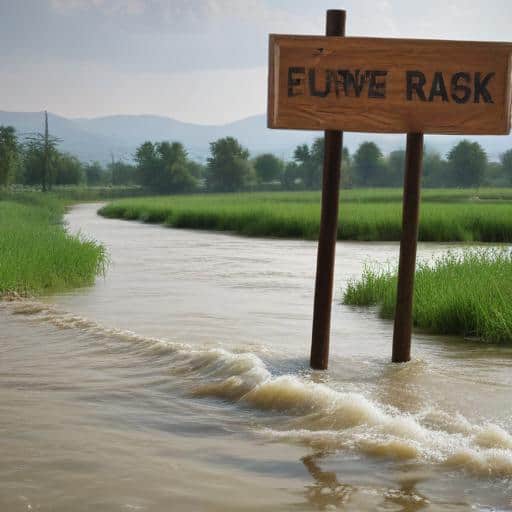
Pakistan’s Punjab region, including Lahore, is facing a very high to exceptionally high flood risk as a surge in monsoon rains coincides with India’s decision to release water from two upstream dams on the Ravi River. The situation comes as both sides of the subcontinent have endured intense floods in recent weeks, heightening concerns that transboundary water releases could worsen flooding in Pakistan’s breadbasket province that is home to a large portion of the country’s population.
The flood threat is linked to actions upstream. Pakistan’s Provincial Disaster Management Authority said India has opened all the gates at its Thein Dam on the Ravi, and a second warning was issued over water releases from the Madhopur Dam. Pakistan’s own assessment using satellite imagery indicated Thein Dam was around 97% full, meaning water could be released at any time. India’s water resources ministry did not immediately respond to requests for comment. In Pakistan, the National Disaster Management Authority had already warned of the potential for further heavy rains to push river levels higher, threatening towns and farmland across Punjab.
Water sharing between India and Pakistan has long been a flashpoint. While India routinely releases excess water when reservoirs run high, many experts caution that upstream releases can have immediate downstream consequences in Punjab, which relies heavily on river water for agriculture. The two countries share rivers that traverse their disputed border, and Punjab itself was partitioned between India and Pakistan at independence in 1947, a historical backdrop that continues to color how such hydrological decisions are viewed.
Diplomatic channels have already been active. Indian officials have signaled that warnings to Pakistan about water releases may continue if conditions change, emphasizing “humanitarian grounds” to avoid catastrophe, and Islamabad has repeatedly urged that any action conform to the Indus Waters Treaty—a treaty many observers say is essential to Pakistan’s agriculture, which depends on water from rivers originating in India. Pakistan’s stance remains that dialogue on water sharing must be anchored in the treaty, with unilateral moves carrying high costs for regional stability.
The broader context is tense. Recent weeks have seen heightened military and political strain between the two nations, including cross-border incidents and devastating floods on both sides of the border. Analysts note that how water is managed in this moment could influence the overall trajectory of Indo-Pak relations, underscoring the need for restraint, transparent communication, and a return to constructive dialogue.
What this means for people on the ground is urgent: emergency services and disaster management agencies are on high alert, urging communities to prepare for possible evacuation, secure livestock, and safeguard homes from rising water levels. The concurrent risk of infrastructure damage and agricultural losses adds another layer of vulnerability for millions of Pakistanis who depend on the Punjab plains for their livelihoods.
Editor’s note and outlook: The convergence of heavy rains and upstream dam releases underscores the importance of regional cooperation on water management. While the risk is real and the headlines are tense, there is a clear path toward stability through continued diplomacy, prompt humanitarian action, and robust disaster-response planning. The resilience shown by communities and the readiness of authorities to coordinate across provinces and with India will be crucial in navigating the coming days.
Summary: Pakistan’s Punjab faces extreme flood danger tied to monsoon rains and upstream dam releases from India on the Ravi River. The situation carries significant humanitarian and diplomatic implications, but careful management, strong disaster readiness, and renewed dialogue offer hope for mitigating impacts and protecting livelihoods.
If you’d like, I can add a brief explainer on how the Indus Waters Treaty governs water sharing and what unilateral dam actions could mean for both countries, to help readers understand the broader context.
Leave a comment