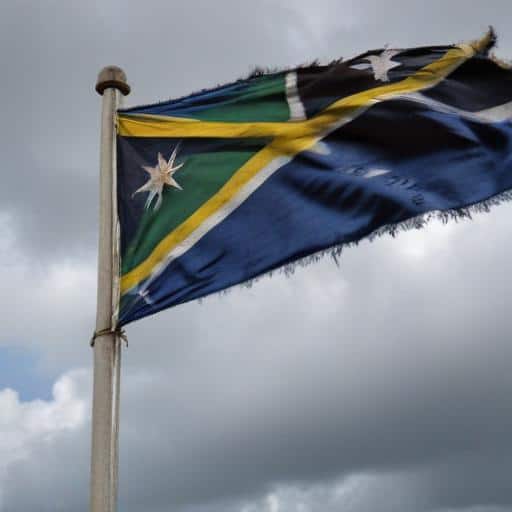
The political situation in the Solomon Islands is facing significant instability as Prime Minister Jeremiah Manele confronts a possible collapse of his government. This crisis follows the resignation of former Prime Minister Manasseh Sogavare as finance minister and the departure of ten MPs from Manele’s coalition, indicating a fracture in the ruling alliance.
Sogavare, a key figure within the OUR Party, which emerged as the largest party in parliament after the 2024 national elections, has begun negotiations with members of the opposition. The resignations highlight a substantial loss of confidence in Manele’s leadership, compounded by several cabinet ministers who have also resigned, including those in charge of vital portfolios like infrastructure and women’s affairs.
The Governor-General received a total of 11 resignation letters, including prominent figures such as Manasseh Maelanga and Freda Tuki, and the resignations have prompted discussions about reshuffling parliamentary responsibilities and potentially filling the leadership gaps left by these departures. Deputy Prime Minister Bradley Tovosia also submitted a resignation letter, adding to the government’s challenges.
Adding to the turbulence, a motion of no confidence against Manele has been officially presented in Parliament by MP Gordon Darcy Lilo, further intensifying political tensions. This motion requires a seven-day notice and is expected to be debated in the upcoming parliamentary session on May 6, which could determine the future governance of the Solomon Islands.
Historically, the Solomon Islands have experienced frequent political instability, with 11 changes of prime minister in the last two decades. While this latest turmoil reflects ongoing patterns of governance struggles, it also represents a potential turning point for reform and improved political collaboration. Observers remain cautiously optimistic that these challenges could lead to a more accountable and unified political landscape, ultimately benefiting the citizens of the Solomon Islands.
As the country navigates these turbulent waters, the hope for a stable governance arises from the possibility that parties may work together to address pressing issues and prioritize the needs of the populace, paving the way for a brighter future amid uncertainty.
Leave a comment