A new report alleging environmental breaches and a high-profile State visit by Palau’s leader have together pushed renewed scrutiny of the growing U.S. military footprint in the island nation to the fore this week.
The Guam-based Pacific Centre for Island Security’s Micronesia Security Outlook 2025, whose Palau segment was authored by Jodean Remengesau, says the guardrails intended to protect Palau’s environment and sovereignty are being undermined by an accelerated military build-up that has left communities “out of the loop.” Remengesau, director of the Bureau of Agriculture at Palau’s Ministry of Agriculture, Fisheries and the Environment, writes bluntly that “the U.S military had missed and fell short of fulfilling its duties and responsibilities under the compact of the U.S with Palau.”
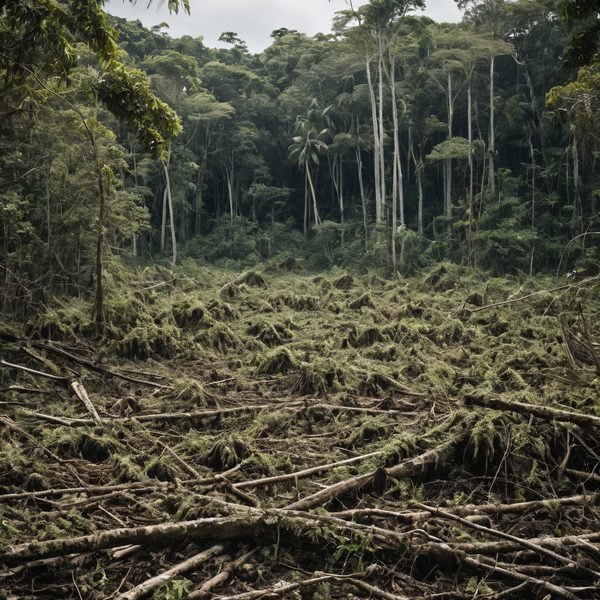
The report cites a controversial site on the island of Angaur, where the U.S. military cleared 271,807 square metres of land for a tactical mobile over‑the‑horizon radar site without obtaining an environmental earthmoving permit or carrying out the community consultations required by Palauan law. It describes piles of shredded tree debris — cleared material that was subsequently dumped on residents’ yards in a rushed effort to mitigate an invasive coconut rhinoceros beetle risk — as emblematic of the breakdown in protections that the compact was intended to enforce.
Angaur Governor Steven Salii in 2023 filed a lawsuit naming Palau’s central government, the Palau Environmental Quality Protection Board, the U.S. government and its military contractors, alleging the land clearance and lack of environmental impact assessment violated Palau’s laws and compact commitments. The Micronesia Security Outlook notes that while Palau’s legal and regulatory institutions are on the record, the accelerated pace and scale of activity tied to strategic defence needs have strained their ability to monitor and manage projects.
The report arrives as Palauan leader Whipps is on what Pacific media describe as a historic first State visit to New Zealand, underscoring the diplomatic spotlight now trained on the country. It also comes against the backdrop of the renegotiated Compact of Free Association, under which the United States pledged an US$890‑million assistance package to Palau over 20 years; that funding cycle began on 1 October 2023. The compact gives the U.S. significant defence-related rights in Palauan territory while formally binding it to meet certain environmental and other obligations — tensions that the report says are becoming increasingly visible.
Geopolitical competition in the Pacific between the United States and China is cited as a key driver of the recent activity. The U.S. military’s US$118‑million radar project in Palau is expected to be operational this year, the report notes, and observers warn that the strategic value of Palau could prompt further use of Palauan land, waters and airspace. What was initially presented as a single shoreline radar system for mutual use between Palau and the U.S. military has since been described in different terms by stakeholders, fuelling local unease about transparency and long‑term impacts.
The report acknowledges Palau’s changing strategic position and the incentives offered by compact funds and foreign aid, noting that a large portion of Palau’s national budget derives from those sources. Still, it warns that accelerated militarisation risks compromising “the island nation’s peace and sovereignty as its people once knew it,” and leaves environmental safeguards and community voices sidelined at a moment when oversight would be most needed.
Leave a comment