
Palau’s president said his country is safer because of its security ties with the United States as he made his first official visit to New Zealand on April 15, 2026, stressing that recent military and infrastructure upgrades are defensive measures rather than provocations. Surangel Whipps Jr told Pacific media the Compact of Free Association, which gives Washington responsibility for Palau’s defence, remains central to protecting the small island state amid growing US–China competition in the region.
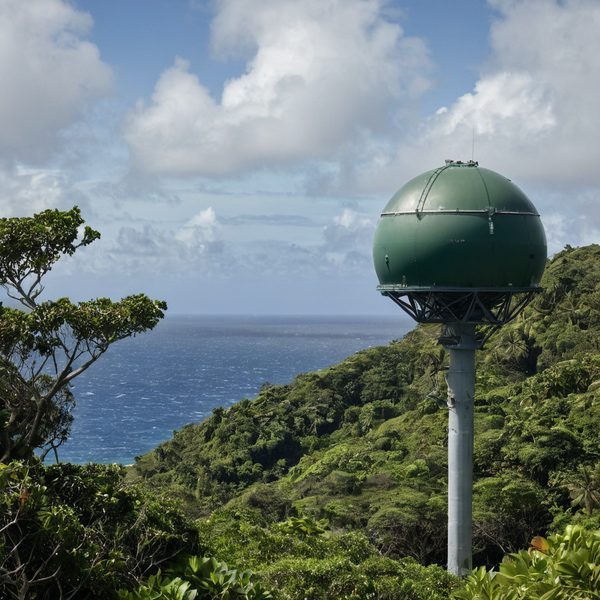
Whipps pointed to new and upgraded radar sites and improvements to ports and airports as steps to strengthen Palau’s ability to monitor and defend its waters. “They are just ensuring that they can better defend Palau,” he said, adding that being idle invites vulnerability. “Presence is deterrence. You want peace, you have to show strength,” he told PMN during the Wellington stop on his New Zealand visit.
The president also highlighted a pattern of worrying maritime encounters that have driven Palau to boost surveillance. He recounted incidents in which vessels entered Palau’s exclusive economic zone without prior notice, including a widely reported unauthorised entry by a Chinese vessel in August 2024 and an episode in 2021 when a Chinese survey ship was tracked operating inside Palau’s EEZ for several days. Such encounters, Whipps said, underline the need for stronger monitoring of maritime approaches to protect sovereignty.
Beijing has repeatedly rejected allegations of wrongdoing, with a spokesman for China’s Ministry of Foreign Affairs saying its vessels operate lawfully and within international laws. Whipps struck a cautious tone toward China, acknowledging the importance of Chinese tourists and investment while warning against overreliance. “One of the things that we’ve worked very hard on is ensuring that we have a diversified tourism market so we’re not so dependent on one country,” he said, urging Palau to manage and mitigate political and economic risks.
Whipps’s comments come as he prepares to host an upcoming Pacific Islands Forum where security, external influence and the region’s strategic balance are expected to be prominent items on the agenda. Analysts have noted Pacific governments are attempting to walk a careful line: maintaining long-standing security ties with partners such as the United States, Australia and New Zealand, while also managing growing economic links with China.
The New Zealand stop and the public detailing of defensive upgrades mark the latest development in Palau’s recent foreign-policy posture. By framing enhancements to surveillance and transport infrastructure as deterrence rather than escalation, Whipps is signalling to regional partners and rivals alike that Palau intends to safeguard its sovereignty without deliberately provoking tension. Hosting the Forum will give Palau an elevated diplomatic platform to press those concerns collectively with other Pacific leaders.