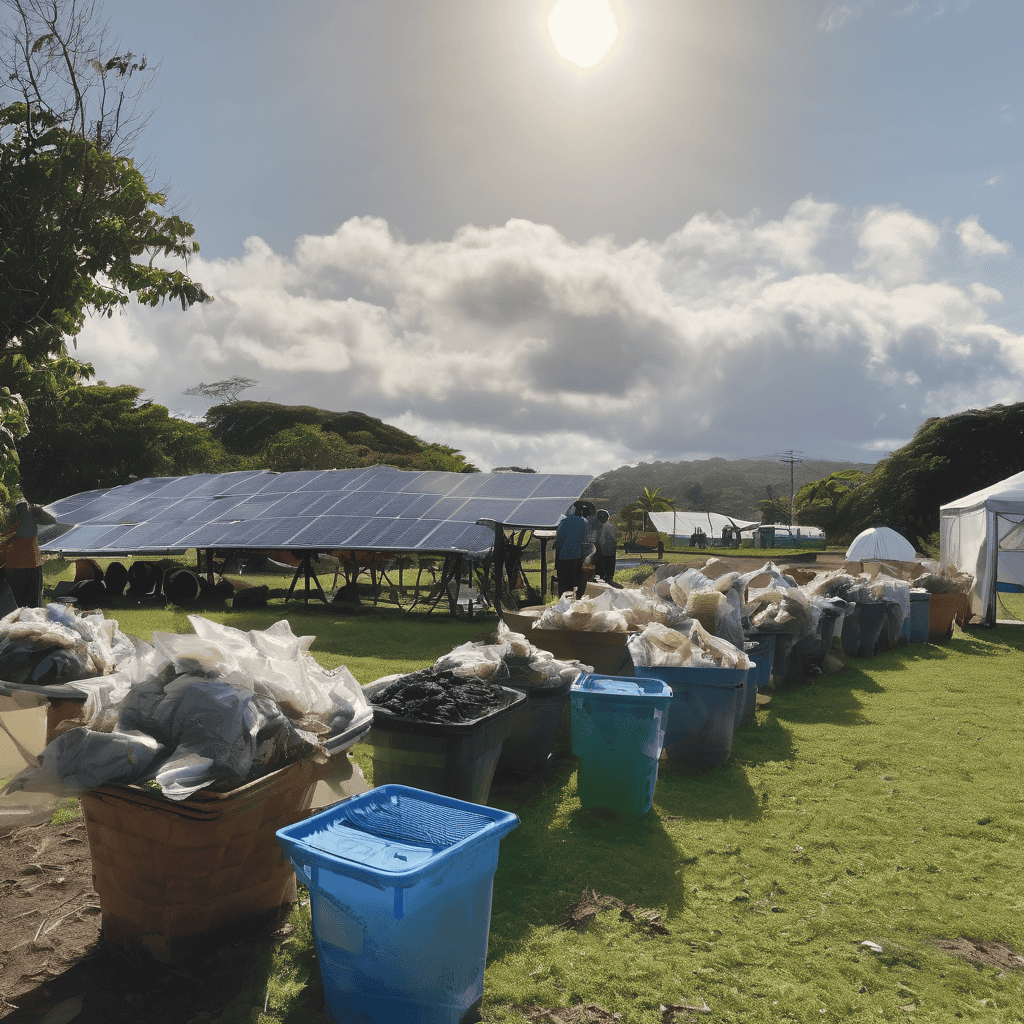
Young people across the Pacific Islands are taking proactive steps to enhance waste management and improve energy accessibility in their communities through the Pacific Adoption of Waste to Energy Solutions (PAWES) project. This initiative provides students from nations such as Samoa, Papua New Guinea, Tuvalu, Solomon Islands, Fiji, and Vanuatu the chance to gain practical experience and valuable insights into converting waste into renewable energy. Backed by scholarships and specialized training, these future leaders are equipping themselves with the necessary skills to foster innovation and resilience in their homelands.
For Samoan student Lusiaasopesio Tamati, this scholarship offers an invaluable opportunity to contribute to her country’s renewable energy ambitions through Waste-to-Energy (WtE) solutions. Similarly, Pinefaamaulauga Leleimalefaga envisions WtE as a method to decrease reliance on imported fuels and preserve the environment, a sentiment echoed by fellow student Asterios Michael Savelio, who is eager to utilize waste as a valuable resource and raise awareness in his community through the knowledge obtained from the PAWES program.
Freddy Amos Lakera, once an engineer in Papua New Guinea’s palm oil sector, is now applying his expertise to develop Waste-to-Energy solutions for Pacific communities, informed by his hands-on experience in converting waste streams into energy. Technic Tariu, another student supported by the scholarship, emphasizes the smart potential of waste-to-energy solutions in addressing climate issues and is committed to leveraging his newfound knowledge to tackle these challenges.
The PAWES project, funded by entities such as the ACP Innovation Fund, OACPS Research, and Innovation Programme, plays a vital role in improving solid waste management and energy security across the Pacific by enhancing decision-making, reinforcing educational institutions, and encouraging practical local solutions to environmental challenges. By helping universities and training facilities update their courses and research in waste management and renewable energy, PAWES is laying a robust foundation for long-term regional change.
Through the PAWES project, these diligent students exemplify how local knowledge and innovation can significantly contribute to a cleaner and more energy-secure future in the Pacific. Supported by the Pacific Community (SPC) and the Secretariat of the Pacific Regional Environmental Programme (SPREP), this project unites youths in their shared vision of turning educational opportunities into tangible successes, ensuring a sustainable future for the islands.
Amidst these efforts, parallels can be drawn to similar initiatives across the Pacific, such as the University of the South Pacific’s (USP) endeavors in renewable energy projects and the Pacific Recycling Foundation’s commitment to addressing waste challenges in outlying islands. Collectively, these projects reflect a significant regional shift towards sustainable practices, emphasizing education, community engagement, and capacity building as core components of environmental and energy resilience. By fostering a culture of innovation and sustainability, the Pacific stands poised to tackle the pressing environmental challenges posed by climate change and economic dependence on imported energy.
Leave a comment