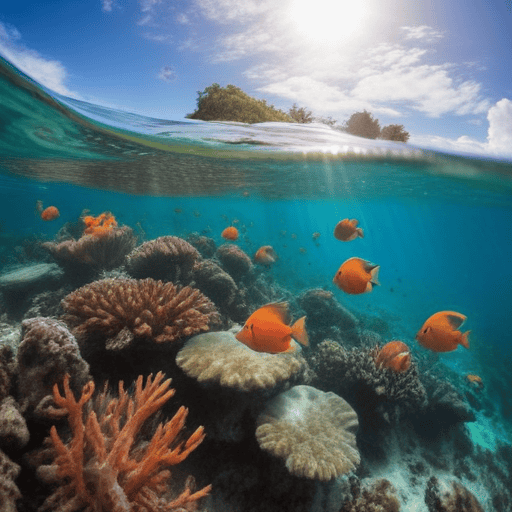
Representatives from Pacific Island communities have made a strong appeal for enhanced respect for the Law of the Sea, emphasizing the critical need to protect marine ecosystems from the threats posed by deep-sea mining. This urgent message was conveyed during a seminar at Fiji National University, which focused on the significance of Indigenous knowledge and the responsibility of ocean guardianship.
Hawaiian academic Solomon Pili Kaho Ohalahala highlighted the vulnerability of Pacific islands, implicating corporations in the climate crisis driven by deep-sea mining interests. He stated, “The climate crisis that is happening in terms of how we need to respond is being driven by the corporations that want to begin dredging our oceans.”
Simione Sevudredre, an Indigenous Knowledge Facilitator, advocated for adhering to Pacific traditions, particularly the concept of ‘taboo,’ which cautions against engaging in harmful practices. Dr. Kaliova Ravuiwasa from Fiji National University stressed the importance of imparting traditional knowledge to younger generations to ensure they serve as future guardians of fisheries and natural resources. He remarked, “It is really important for us… to understand their context. This helps us deliver the knowledge and skills we have.”
These discussions reflect a growing awareness across the region about the urgent need to collaborate on safeguarding marine resources, aligning with recent calls from Fiji’s Minister for Fisheries, Alitia Bainivalu. During a session of the Western and Central Fisheries Commission, Bainivalu emphasized the role of traditional knowledge in managing fisheries sustainably, as well as the importance of cooperative approaches to address climate change and overfishing threats.
Echoing these sentiments, Fiji Council of Social Services (FCOSS) has also raised critical concerns about the potential negative impacts of unregulated deep-sea mining on marine biodiversity and indigenous communities. They advocate for legal reforms to ensure that Fiji’s legislative framework adequately protects its rich ecological heritage.
The grassroots support for sustainability highlights a hopeful path forward for the Pacific Islands, where the integration of traditional practices and collective commitments can lead to a future that cherishes both the oceans and the communities dependent on them. By prioritizing environmental stewardship and championing indigenous rights, Pacific nations can foster healthier marine ecosystems, ultimately benefiting future generations.
Leave a comment