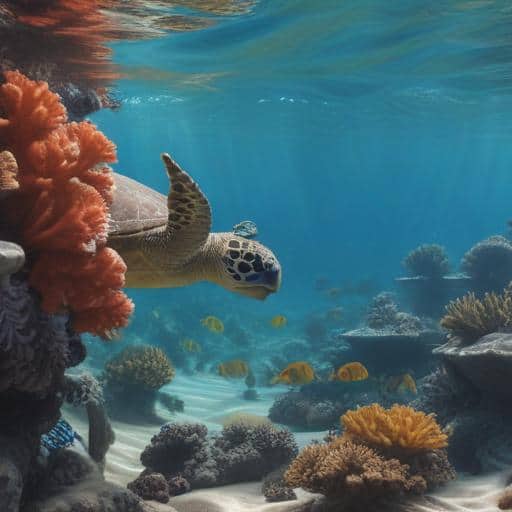
A state-of-the-art research vessel, the Argo, is currently a central figure in a pivotal ocean expedition taking place in Fiji. Operated by National Geographic’s Pristine Seas program, this 129-foot vessel serves as a mobile base for a comprehensive five-month research and filmmaking mission that aligns with Fiji’s national ocean conservation objectives.
The Argo is equipped with cutting-edge technology, including submersibles and remotely operated vehicles, which facilitate the study of Fiji’s marine ecosystems. A dedicated team of both local and international scientists is aboard, conducting research to assess the health of these vital underwater environments.
This mission is a collaborative effort involving several key partners, including Blue Prosperity Fiji, the Ministry of Environment and Climate Change, the Ministry of iTaukei Affairs, and the Ministry of Fisheries and Forests. Aimed at sustainably managing 100% of Fiji’s ocean space and designating 30% as fully protected by 2030, the expedition is set to provide valuable insights and findings. These will be shared with the Fijian Government and contribute to scientific publications that will inform future marine protection policies.
In an additional initiative, Pristine Seas is launching an ocean literacy program in collaboration with the Ministry of Education, targeting schools and communities. This educational outreach is expected to foster a greater understanding of ocean conservation among the younger generation.
Moreover, two documentary films will be produced as part of the project—one focusing on local marine stewardship and the other highlighting the unique marine environment of Rotuma.
This expedition not only underscores the significance of the health of ocean ecosystems for the livelihoods and sustainability of Fiji but also reflects the importance of collaboration among local communities and scientific entities. The ongoing commitment to marine conservation demonstrates hope for a sustainable future, as efforts to protect these vital ecosystems can significantly impact both local communities and the broader environment.
In the past, similar expeditions and initiatives have further highlighted Fiji’s rich biodiversity. The substantial coral reef assessments conducted by Blue Prosperity Fiji revealed nearly 500 species of fish and emphasized the need for sustainable practices amidst concerns about climate change and overfishing. Such collective endeavors reveal a promising outlook for the future of Fiji’s marine environments, bringing together science, community engagement, and conservation for the benefit of generations to come.
Leave a comment