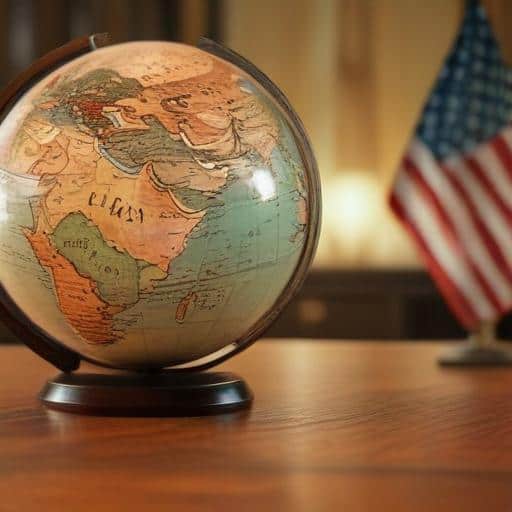
The latest round of nuclear negotiations between the U.S. and Iran, scheduled to take place in Muscat, has been cancelled, confirmed Omani Foreign Minister Badr Albusaidi on social media platform X. The cancellation comes in the wake of heightened tensions following Israel’s recent airstrikes on Iran, which targeted key military leaders and nuclear facilities in an effort to thwart Iran’s potential development of nuclear weapons.
A senior official from President Trump’s administration verified that the talks, slated for Sunday, were dismissed, yet emphasized Washington’s commitment to continuing negotiations. The U.S. administration remains hopeful that Iran will return to the negotiation table soon.
This development unfolds amid rising hostilities in the region, with prior reports indicating that Iran has launched retaliation measures against Israeli military actions. Notably, Iran had accused the U.S. of complicity in Israel’s military efforts, suggesting a complex interplay in international relations. The backdrop of these strained discussions stems from fears regarding Iran’s uranium enrichment activities—activities which Tehran asserts are aimed at peaceful purposes, while many Western nations express skepticism concerning their intentions.
While the cancellation of these talks signifies a setback, it is important to remain optimistic. The ongoing dialogue, facilitated by international figures such as Oman, reflects a continued commitment to exploring avenues for de-escalation. In previous interactions, both sides have shown the potential for reconciliation through negotiation, and there is still hope that mutual interests can guide future discussions towards peace. As the geopolitical landscape remains volatile, sustained diplomatic engagement is essential for securing a stable regional future.
Leave a comment