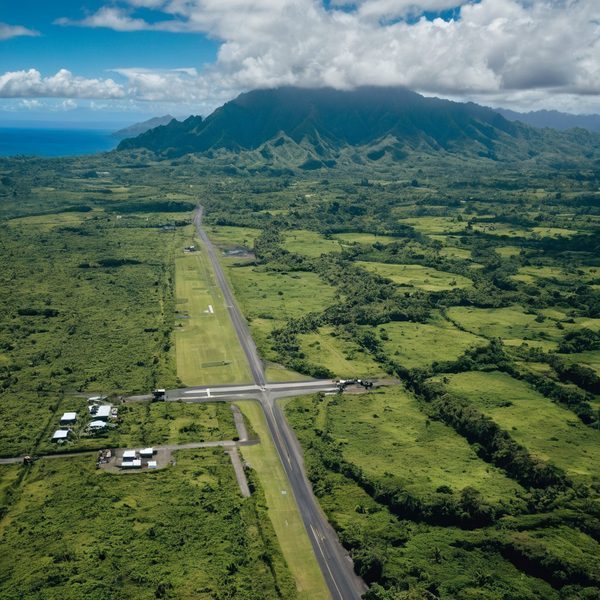
Northern Fiji has the rooms, reefs and villages to attract many more visitors, but stubborn access and infrastructure shortfalls mean it currently receives less than five per cent of Fiji’s tourists, regional tourism leaders say — a gap they are now pressing hard to close by pushing for more flights, better roads and tighter controls on large cruise ships.
“The region has sufficient accommodation and diverse offerings, but needs stronger support in marketing and accessibility,” said Lara Vokai, Tourism Association Representative for the Northern Region. Vokai told stakeholders that while adventurous travellers from North America are already willing to undertake extra flights for Taveuni’s nature and culture product, closer markets such as Australia and New Zealand remain underdeveloped and are a priority for growth.
One immediate bottleneck is air access. Vokai said only 36 passengers currently fly daily to Taveuni, although available capacity on the route is higher. That underuse is constraining visitor numbers and local operators’ ability to scale. Stakeholders have opened discussions with Fiji Airways to explore increased flight frequency and the use of larger aircraft, she said, describing connectivity improvements as “critical to unlocking growth potential and attracting closer markets.”
On the ground, physical infrastructure is another limiting factor. While new satellite internet solutions such as Starlink have eased communications and online booking for some operators, Vokai argued that improved roads and inter-island connections are essential to allow local villages and small businesses to run tours and transport services reliably. Better roads would also reduce travel times between Savusavu, Taveuni and other northern hubs, helping stitch accommodations and day-trip experiences into saleable itineraries.
The north’s tourism character — a deliberate absence of mass-market amenities like quad bikes or pontoon bars — is being positioned as a selling point. Vokai said the region’s marketing will lean into authenticity and eco-friendly experiences, offering a product mix aimed at older, younger and family segments while prioritising sustainability. That positioning, she added, is designed to expand appeal among Australian and New Zealand travellers who are geographically closer yet underrepresented.
Cruise ship visits have emerged as a contested issue as the region balances growth with community impact. Vokai said trial visits by large cruise liners exposed infrastructure pressure points in Savusavu and brought home the need for inclusive governance over cruise tourism. Some local leaders favour limits on large ships to preserve the north’s character, pointing to models such as Tahiti where restrictions manage visitor flows and protect community life. Others note the economic value cruise calls bring, producing a debate stakeholders say must include both expatriate and local operators.
The latest push frames Northern Fiji at a crossroads: the product is there, local leaders argue, but converting it into more visitors — particularly from Australia and New Zealand — depends on timely improvements in flights, roads and local capacity, together with a clear policy on cruise ship access. For now, negotiations with Fiji Airways and grassroots investments in connectivity and transport are the most immediate levers being used to try to move the needle.
Leave a comment