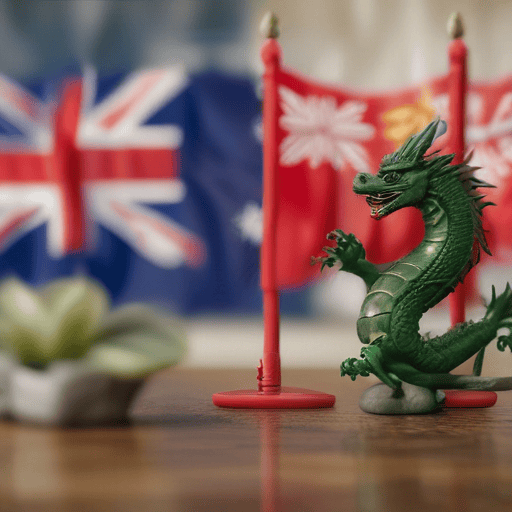
New Zealand has raised concerns about the Cook Islands’ dealings with China, pointing to a perceived lack of transparency in their international agreements. This criticism comes ahead of an expected visit by Cook Islands Prime Minister Mark Brown to China, where he may sign a cooperation agreement.
Wellington’s worries stem from the implications such agreements could have for regional security, particularly given the geopolitical landscape emphasizing China’s growing influence in the South Pacific. New Zealand has a “free association” arrangement with the Cook Islands, offering financial support and assistance in foreign affairs and defense. However, significant differences have emerged between the two nations on various issues, such as transparency and strategic alignment.
A spokesperson for New Zealand’s Foreign Minister, Winston Peters, noted that New Zealand anticipates being fully consulted on any major international agreements that could affect security dynamics in the Pacific. The Cook Islands previously indicated its intent to formalize partnerships with China in sectors including economic development and climate change, raising concerns in Wellington about the Cook Islands potentially moving towards greater independence from New Zealand.
The Cook Islands government appears committed to exploring new international partnerships to bolster its development efforts. This situation is emblematic of a broader trend in the Pacific region, where nations are balancing traditional relationships with new opportunities that arise from engaging with emerging powers like China.
However, the engagement with China has led to domestic pushback within the Cook Islands, with opposition leaders and concerned citizens urging for more transparency and dialogue about international agreements.
Despite the apprehensions surrounding this evolving relationship, there exists a pathway for constructive dialogue and collaboration going forward. The importance of open communication is critical to ensuring that both nations navigate their partnerships effectively while addressing shared interests and maintaining stability in the region.
This moment represents not just challenges but also hopeful opportunities for renewed collaboration that could strengthen ties among Pacific nations in the face of shifting geopolitical currents.
Leave a comment