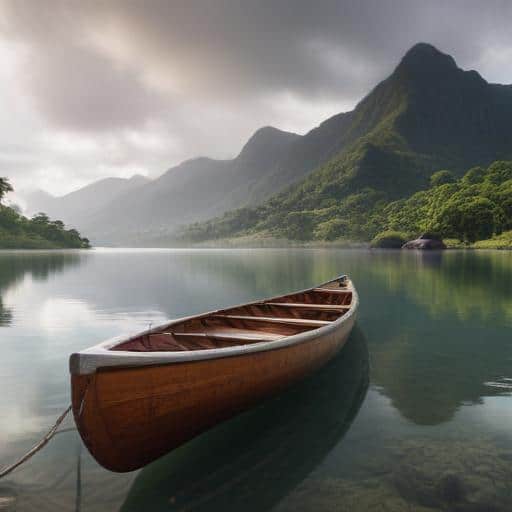
The misty mountains of Nadarivatu, located in the Colo-North territory of Fiji, hold an enchanting allure combined with rich historical significance that fascinates all who visit this highland region. Once a thriving government administrative center in the late 1800s, Nadarivatu is now a symbol of Fiji’s colonial past, attracting visitors with its scenic beauty and storied past.
Throughout its history, Nadarivatu served as a popular hill station and sanatorium, drawing influential leaders such as Fiji’s fifth governor, Sir John Bates Thurston, and resident commissioner Adolph Brewster. These historical figures contributed significantly to the area, with Brewster being the driving force behind establishing the hill station, as documented in his book “The Hilltribes of Fiji.” His family legacy is prominent in the region, as his father was a pioneer settler and inspiration for the name Joske’s Thumb.
Today, remnants of this once-bustling hill station can still be seen, acting as a tourist attraction for those wishing to experience the rustic charm of Fiji. One notable site is the Ratu Sukuna Pool, a natural swimming area enhanced by the late statesman Ratu Sir Lala Sukuna during his visits. Known for its tranquil setting and historical ties, the pool underwent substantial improvements, including the transformation from a natural spring into a concrete pool, reflecting Ratu Sukuna’s dedication to leisure and recuperation.
The pool, initially known as Matanawesi, was renamed to honor Ratu Sukuna, who frequented it during the drier months. Forest Guard Kuruvitu Siva shared that the area, rich with concrete features, reveals the prioritization of recreation and wellness in the lives of Fiji’s elite during that era. Visitors can sense the mix of curiosity, nostalgia, and serenity while exploring the carefully constructed pool, stairways, and surrounding nature.
Accompanied by beautiful sounds of gushing streams and birds, a visit to Nadarivatu allows a peaceful retreat from the chaos of modern life. As locals and tourists alike traverse the zigzag trails, they are reminded of the rich history and the elite leisure activities that once flourished here. This blend of nature and history paints a hopeful picture for the future, as continued efforts to revitalize and maintain these historical sites may restore Nadarivatu to its former prominence, offering both locals and visitors a chance to reconnect with Fiji’s past.
Efforts toward restoration will highlight the importance of preserving such sites, allowing future generations to cherish and learn from Fiji’s colonial adventures and vibrant cultural heritage.
Leave a comment