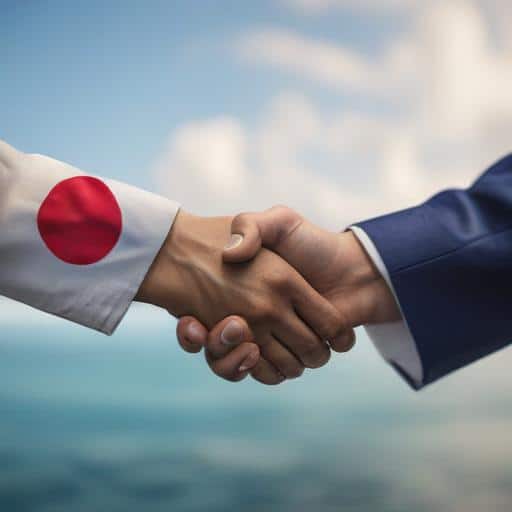
Micronesian President Wesley Simina has shown optimism regarding Japan’s management of the radioactive water being released from the Fukushima Daiichi power plant into the Pacific Ocean. Following a recent tour of the plant, President Simina emphasized the strong trust the Federated States of Micronesia (FSM) has in Japan.
“The visit to Fukushima underscores the FSM’s deep trust in the government of Japan,” Simina expressed. He reassured that Japan’s Tokyo Electric Power Company has begun the long-term discharge of treated wastewater from the nuclear facility as part of its decommissioning efforts, which are expected to continue for another 30 years. While this process has sparked considerable concern from neighboring Pacific islands and environmental advocates, Japan insists that the water discharge is safe.
The historical context for this issue dates back to March 11, 2011, when a catastrophic 9.1-magnitude earthquake led to the devastation of the Fukushima nuclear plant, resulting in nearly 20,000 deaths and numerous injuries. The current operation to release treated water into the ocean aims to facilitate the plant’s decommissioning.
In his discussions with Japanese Prime Minister Shigeru Ishiba during his official visit from March 14 to 20, Simina highlighted shared priorities including infrastructure development, regional security, and maritime cooperation. The FSM and Japan enjoy a longstanding partnership, bolstered by Japan’s significant aid contributions, including support for major infrastructure projects in the FSM.
Not only does Simina’s recent visit symbolize deepening ties between the FSM and Japan, but it also reflects the ongoing commitment of both nations toward peace, stability, and sustainable development across the Pacific region. With Japan being a key foreign donor for the FSM, the collaboration between the two countries is poised to further enhance their relationship and address the pressing global challenges of climate change and environmental safety.
As both countries work together, there is a sense of hope that their commitment to cooperation can lead to sustainable solutions for future generations.
Leave a comment