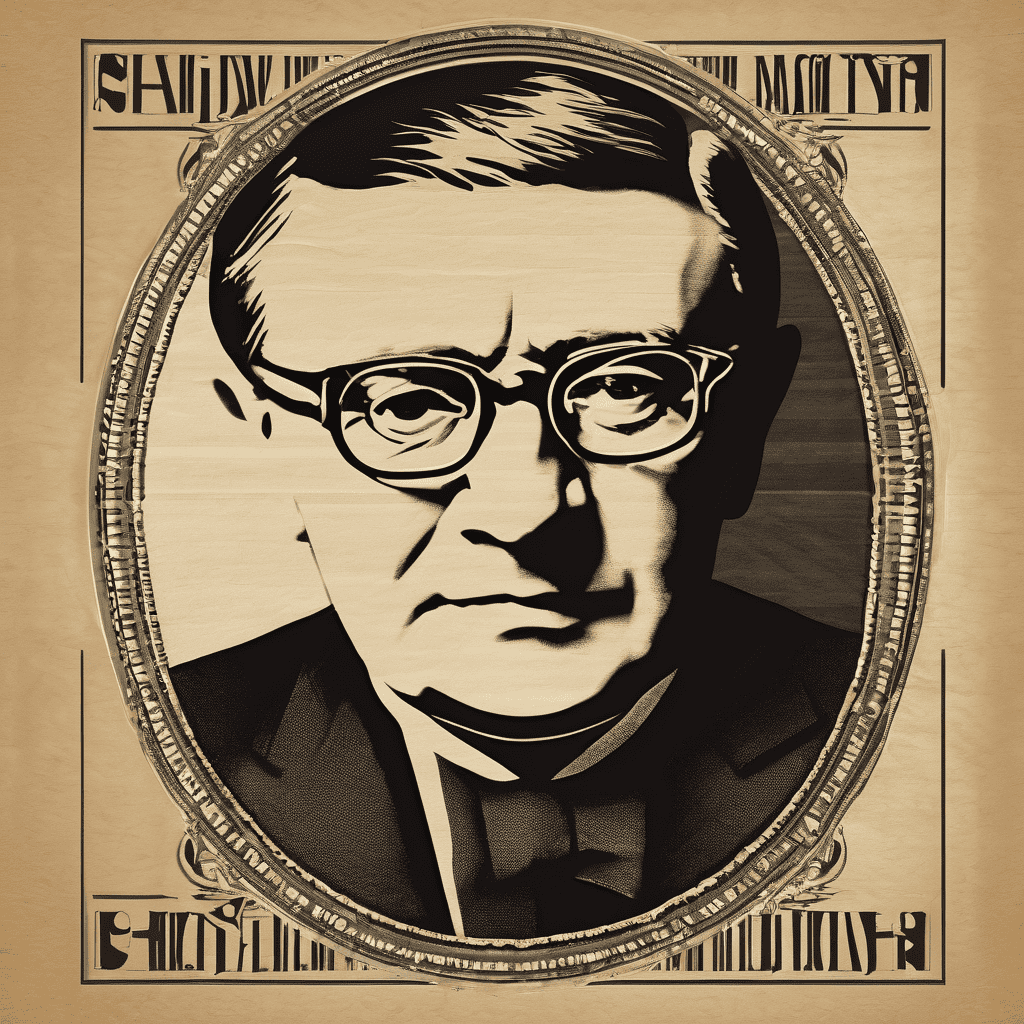
La Scala is set to inaugurate its new season on Sunday with a powerful performance of Dmitri Shostakovich’s “Lady Macbeth of the Mtsensk District,” an opera known for its advocacy of women’s rights and its tumultuous history of being banned in Russia. This performance pays tribute to Shostakovich on the 50th anniversary of his death.
Originally premiered in St. Petersburg in 1934, the opera draws inspiration from a play by Nikolai Leskov and was envisioned as the first installment of a trilogy celebrating Russian women. Despite its initial success, it quickly encountered severe backlash from the Soviet authorities, including Joseph Stalin, who condemned its frank depiction of sexual themes, violence, and the theme of female rebellion. As a result, the opera faced a lengthy ban of nearly three decades within the country.
Principal conductor Riccardo Chailly expressed the significance of opening the season with this particular work. He noted, “Opening the season with this opera is… a tribute to a 20th-century giant and to an opera that suffered for far too many years.”
In the context of ongoing discussions regarding cultural representation, Russian director Vasily Barkhatov emphasized the importance of distinguishing personal political beliefs from artistic expression. He acknowledged the complexities surrounding Russian artists in Europe, stating, “If you openly support the Russian government, you must be aware of the possible consequences of your choice.”
La Scala’s decision to perform “Lady Macbeth of the Mtsensk District” signals a commitment to embracing the complexities of cultural history while advocating for women’s rights through the arts, infusing a hopeful message into the current socio-political climate. This opening night promises to not only honor the legacy of Shostakovich but also rekindle discussions about artistic freedom and expression during challenging times.
Leave a comment