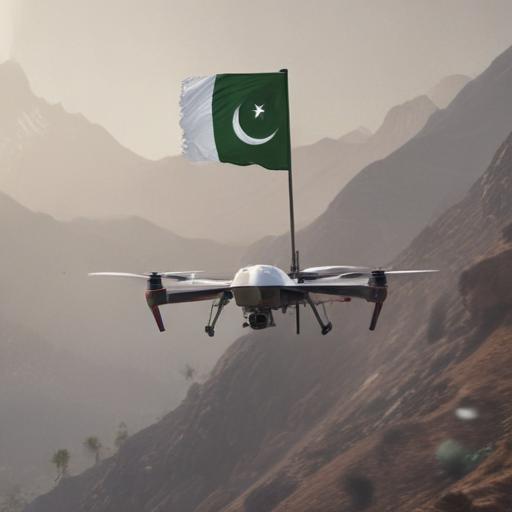
A significant escalation of hostilities has erupted between India and Pakistan, marking a historic phase in their long-standing conflict, particularly over the Kashmir region. Following intense military engagements earlier this month, both nations are now involved in a drone arms race, a first in their prolonged military history.
On May 8, the night sky over Jammu, India, was illuminated by red flares as its air-defense systems intercepted drones launched from Pakistan. This military action followed four days of confrontations where both countries deployed unmanned aerial vehicles (UAVs) extensively. The incident came on the heels of an attack on April 22, which resulted in the deaths of 26 individuals, primarily Indian tourists, leading India to blame Pakistan for the violence.
In the subsequent military operations, India launched airstrikes against alleged terrorist facilities in Pakistan, which New Delhi claims are linked to the recent attack. The Pakistani military has contested these allegations, asserting that India’s claims are unfounded and politically driven. The escalation resulted in significant casualties and a tense standoff along their volatile borders.
India’s commitment to advancing its UAV capabilities is substantial, with plans to invest approximately $470 million in local drone production over the next year, a significant increase compared to previous years. Meanwhile, Pakistan is also enhancing its drone arsenal, collaborating with Turkey to bolster its local manufacturing capabilities.
Political analysts, including Walter Ladwig III from King’s College London, suggest both nations see drone warfare as a means to exert military pressure without escalating the conflict to large-scale confrontations. UAVs afford both sides an opportunity to demonstrate military resolve while minimizing risks to personnel.
As both governments prepare for further conflict, there are deep concerns regarding the potential for unintended escalations, particularly as both nations have accused each other of aggressive military actions. While tensions are high, the international community is advocating for dialogue and restraint, emphasizing the importance of diplomatic resolutions to prevent further violence in the already volatile region.
Hope remains as diplomatic pressures from global powers could encourage both sides to engage in necessary talks aimed at de-escalation. It is critical now more than ever for India and Pakistan to find common ground, prioritize communication over conflict, and seek a lasting resolution to their disputes in order to foster stability and peace in South Asia.
Leave a comment