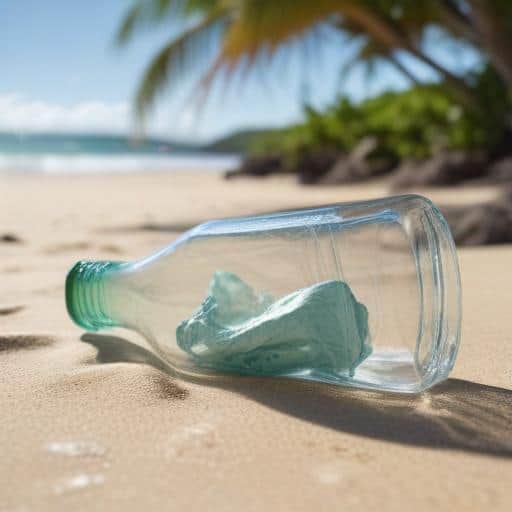
On June 2, hundreds of people across the nation are expected to participate in a significant clean-up effort to promote environmental awareness in advance of World Environment Day (June 5) and World Oceans Day (June 8). This initiative, spearheaded by the Environment Ministry in collaboration with over 30 partner organizations, is themed around “Ending Plastic Pollution in the Marine Environment,” emphasizing the urgent need to tackle plastic waste.
The clean-up will feature extensive land and underwater operations involving diverse participants, including civil society groups, faith-based organizations, and private businesses. A notable contribution comes from Aquamarine Services, whose dive team will focus on cleaning up Suva Harbour, specifically targeting locations known for accumulating marine debris. Suzie Hill, the administration manager, noted the longstanding issue of underwater waste, which often goes unnoticed.
Reverend James Bhagwan, general secretary of the Pacific Conference of Churches, has highlighted the broader implications of such environmental initiatives, linking them to civic responsibility and food security. He emphasized the importance of instilling national pride through collective action aimed at preserving Fiji’s natural beauty.
This event builds on previous successful clean-up activities, including a recent beach clean-up by the South Sea Cruise Group, which saw over 110 kilograms of waste removed from Wailoaloa Beach. Such community-driven efforts resonate with Fiji’s growing commitment to environmental stewardship, as seen in recent initiatives organized by the Pacific Ocean Litter Youth Project and local councils, where hundreds of kilograms of waste have been collected and assessed.
Overall, this upcoming clean-up event not only represents a critical step in combating pollution but also fosters a vibrant community spirit dedicated to safeguarding the environment. The pledge for collaborative action is indeed promising for the future, highlighting the importance of public involvement in creating sustainable practices for generations to come.
Leave a comment