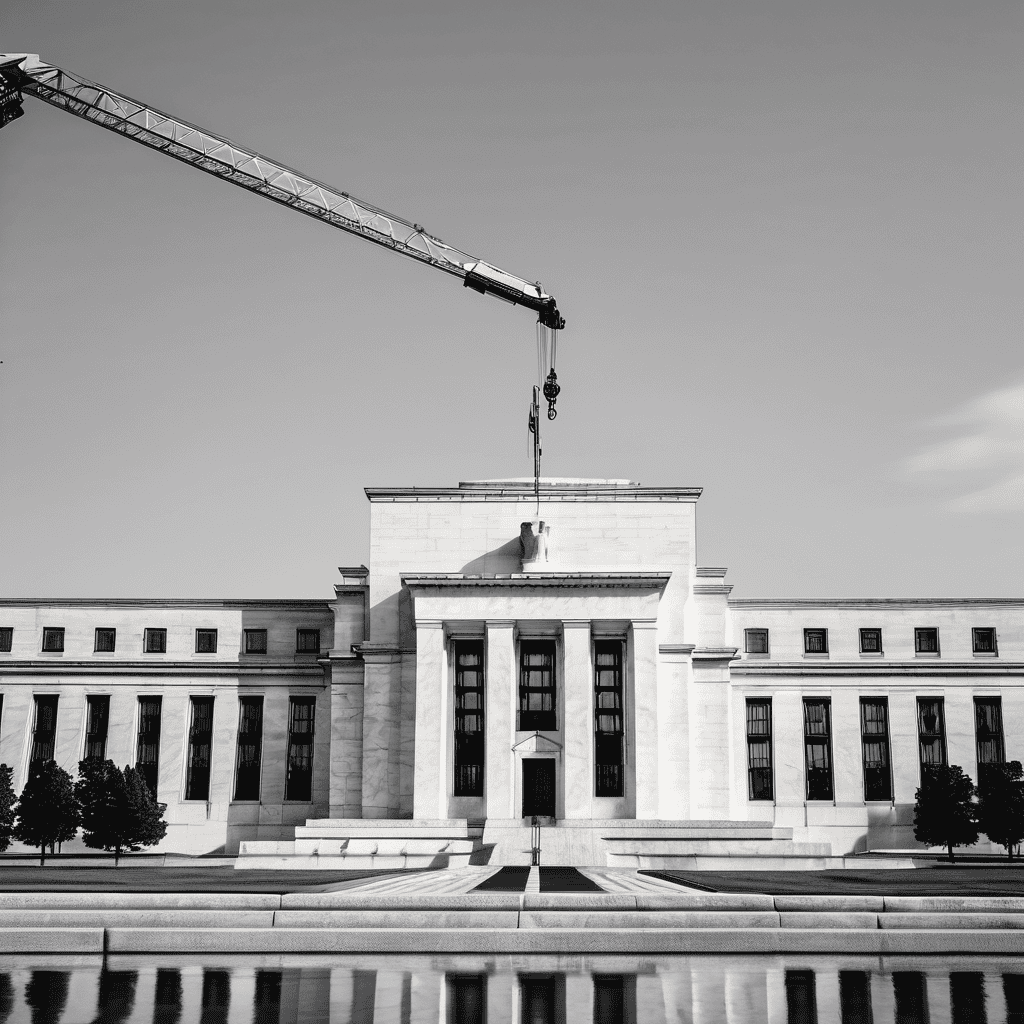
The Federal Reserve appears to be emerging from a challenging three-year period marked by substantial financial losses linked to its monetary policy responses during the COVID-19 pandemic. Recent data indicates that since early November, the Fed has begun to generate profits, which is enabling a gradual reduction of its so-called deferred asset, a mechanism used to track its losses.
As of November 5, the deferred asset stood at $243.8 billion, but by November 26, it had decreased to $243.2 billion. While this change may seem modest, it signals a significant shift in a long-term trend that financial analysts have keenly observed.
The timeline for the Fed to fully recover its deferred asset and resume returning cash to the Treasury remains uncertain, with experts estimating that this process could span several years. Bill Nelson, a former senior Fed staff member and current chief economist for the Bank Policy Institute, has forecasted combined profits of over $2 billion for the twelve regional Federal Reserve banks in the current quarter, suggesting an overall positive turn for the central bank’s financial health.
The deferred asset reflects losses that must be addressed before the Fed can resume its mandated practice of returning profits to the Treasury. The central bank generates income primarily through its bond holdings and services provided to the financial sector. Historically, these profits have contributed to the government’s budget until the pandemic-induced bond-buying spree, which pushed the Fed’s balance sheet to a peak of $9 trillion by mid-2022.
In response to surging inflation, the Fed initiated a cycle of interest rate hikes starting in early 2022. This move led to an imbalance between the income generated and the amounts paid out to banks for managing interest rates. However, the recent cuts in interest rates have effectively halted the Fed’s losses, as these adjustments lower the payouts required from the central bank.
Analysts suggest that as market yields begin to exceed interest on reserve balances, it is likely the Fed’s financial losses will stabilize and potentially reverse. While Fed officials assert that the central bank’s profits and losses do not influence its monetary policy decisions, some elected officials have questioned the implications of its interest-paying strategies, characterizing them as a subsidy to the financial system.
Despite the challenges faced, the current trends in the Fed’s financial performance suggest a cautiously optimistic outlook, with the potential for renewed stability in the central bank’s operations and contributions to the economy.
Leave a comment