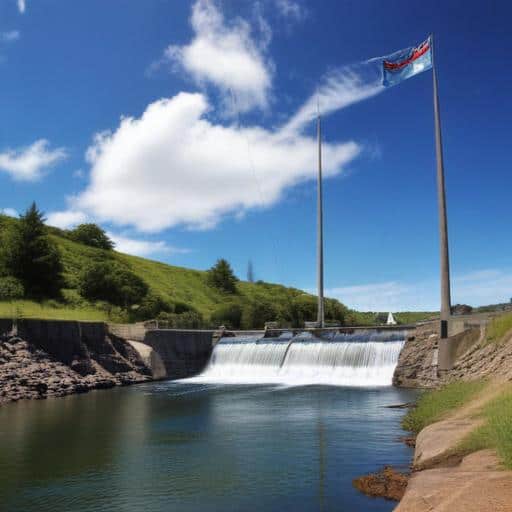
India weighs impact of Chinese mega-dam in Tibet as Delhi moves to fast-track its own storage project
India is raising alarms over a planned Chinese mega-dam on the Tibetan side of the Himalayas, warning that the project could dramatically cut water flows downriver during the dry season. A government analysis, not publicly released but seen by Reuters, suggests Beijing’s dam could reduce the flow to downstream regions by as much as 85% at certain times, prompting New Delhi to push ahead with its own countermeasures to protect water security for hundreds of millions.
The dispute centers on the Angsi Glacier-fed river system that originates in Tibet and is known as the Siang and Brahmaputra once it enters India. Estimates circulating in Indian government circles indicate that China’s dam could allow the diversion of tens of billions of cubic meters of water each year. The analysis, which draws on prior work by Indian institutions such as the Central Water Commission, also factors in the size and timing of the Chinese project, which began construction this year and is projected to cost about $170 billion.
In response, India is accelerating plans for a major storage dam on the Upper Siang, potentially the country’s largest hydropower project. India’s largest power company has already started moving survey materials for the site under armed police protection, underscoring the sensitivity and strategic significance of the project. Officials report discussions at the highest levels, including a recent meeting organized by Prime Minister Narendra Modi’s office, as part of a broader push to shore up domestic water resilience this year.
Key findings in the Indian analysis suggest that China could divert up to 40 billion cubic meters of water, roughly a third of the annual flow at a crucial border point. The Upper Siang Multipurpose Storage Dam would offer a significant storage cushion—about 14 billion cubic meters—allowing India to release water during dry periods. In practical terms, this could reduce disruptions to water supply in major urban centers like Guwahati by about 11% with the Indian dam in place, compared with a potential 25% drop if no storage project is completed.
Beyond safeguarding crucial water supplies, the proposed Indian project would help absorb bursts of water that might be released downstream due to upstream infrastructure failures in China, according to the document and sources familiar with the matter. Engineers are also considering keeping a portion of the dam empty—around 30%—to accommodate unexpected surges and maintain system flexibility.
The revelations come amid broader regional sensitivities over water, a theme echoed in related coverage of South Asia where tensions over river rights and climate-driven disasters have sharpened calls for resilient infrastructure and prudent resource management. In recent months, extreme weather and floods have underscored the vulnerability of Himalayan states and the importance of robust disaster preparedness in protecting both people and economies.
Social and political concerns are not negligible. Arunachal Pradesh residents have long resisted large dam schemes over fears of submergence and cultural disruption. The current push to accelerate construction and increase storage exists alongside ongoing security considerations with neighboring powers, and observers say transparent planning, meaningful local consultation, and clear risk mitigation will be crucial to sustaining stability while meeting water-security objectives.
If the dam proceeds as planned, experts say it could offer India practical relief from seasonal dry spells and help mitigate water-related tensions with downstream neighbors by preserving predictable flows, even as it raises new questions about cross-border water governance and regional resilience in a changing climate.
Summary: India assesses the potential impact of a major Chinese dam on the Brahmaputra/Siang river system and moves to fast-track its own Upper Siang storage project as a countermeasure to protect downstream water supplies. The plan seeks to balance flood and drought management with social and environmental safeguards, amid a broader regional context of water-security concerns and climate-driven hydrological volatility.
Additional value and context:
– The situation highlights the need for transparent, science-based planning and robust cross-border coordination mechanisms to reduce risk of miscalculation during extreme weather periods.
– Climate volatility in the Himalayas is increasing the urgency of storage and flood-control infrastructure, not just for energy but for reliable drinking water and agriculture downstream.
– Observers will want to monitor updates on construction timelines, local dissent, and any new data on cross-border water flows as the regional security dynamics evolve.
Leave a comment