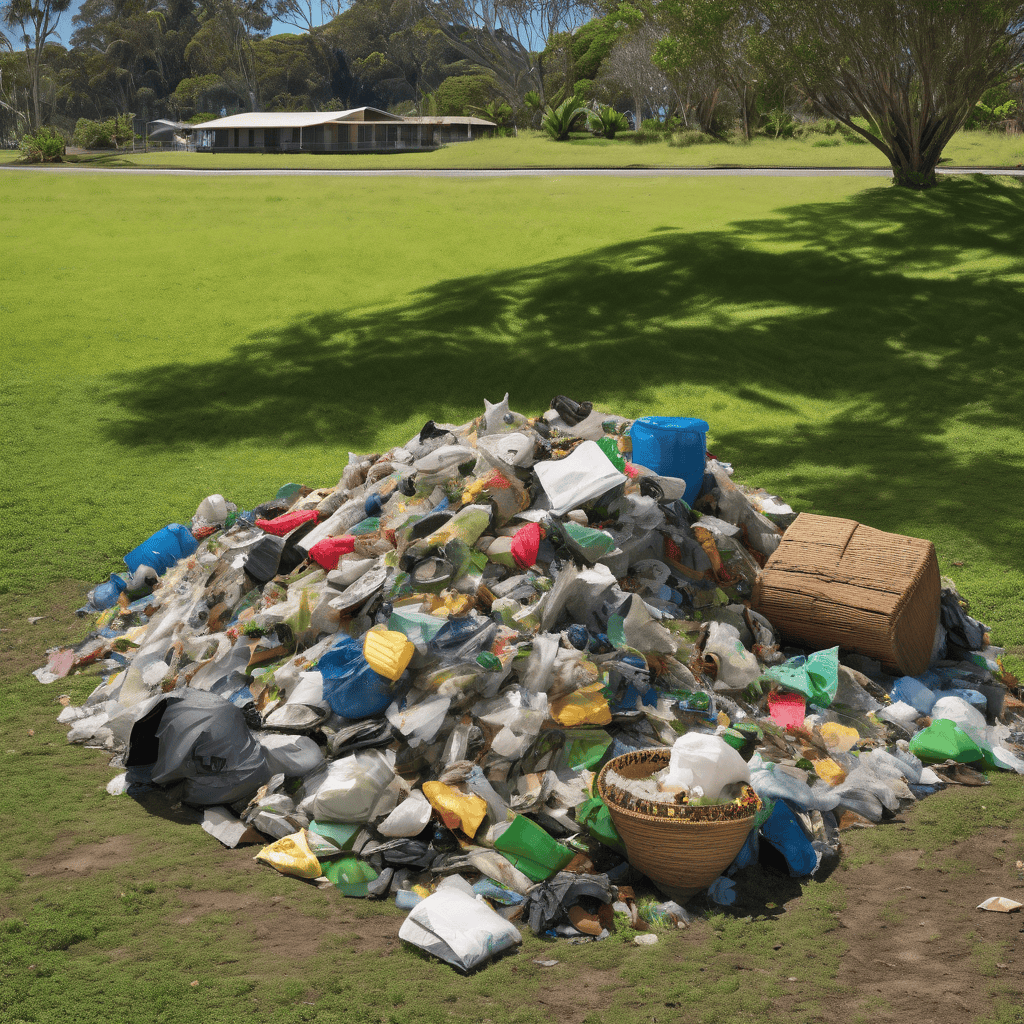
The Nasinu Town Council has identified illegal waste dumping by residents as a primary factor contributing to the growing rubbish problem in the municipality, rather than delays in waste collection services. Council administrator Salesh Kumar emphasized that most areas received their scheduled rubbish collections on time.
Kumar stated, “The main contributing factor is illegal dumping by residents, which has resulted in additional rubbish accumulation after scheduled collections had already been carried out.” He assured residents that the council is actively addressing the situation, highlighting that rubbish collection has already taken place in Narere towards Navosai, with ongoing efforts on Ratu Dovi Rd towards Tomanu Rd and in the Caubati area.
The council’s waste management strategy includes monthly green waste collections, three times a week for household and kitchen waste, and biannual pick-ups for bulky items and white goods. However, Kumar pointed out ongoing challenges like poor waste separation. He noted that much of the collected refuse comprises mixed materials—white goods, green waste, and kitchen waste disposed of together—making recycling efforts more difficult.
Additionally, Kumar revealed that illegal dumping is not just an issue with residents but also involves individuals from outside the Nasinu area. Reports from residents have been essential in tackling these activities, and he thanked the community for their vigilance.
To combat this issue, Kumar urged residents to separate waste properly, engage in backyard composting where possible, and promptly report illegal dumping incidents. He called for collective action from the community, stating that while the council strives to maintain effective waste collection, cooperation from residents, particularly in sorting waste properly, is crucial for fostering a sustainable waste management system.
This emphasis on community involvement suggests a hopeful outlook where, with collaborative efforts, Nasinu could effectively address its waste management challenges for a cleaner environment.
Leave a comment