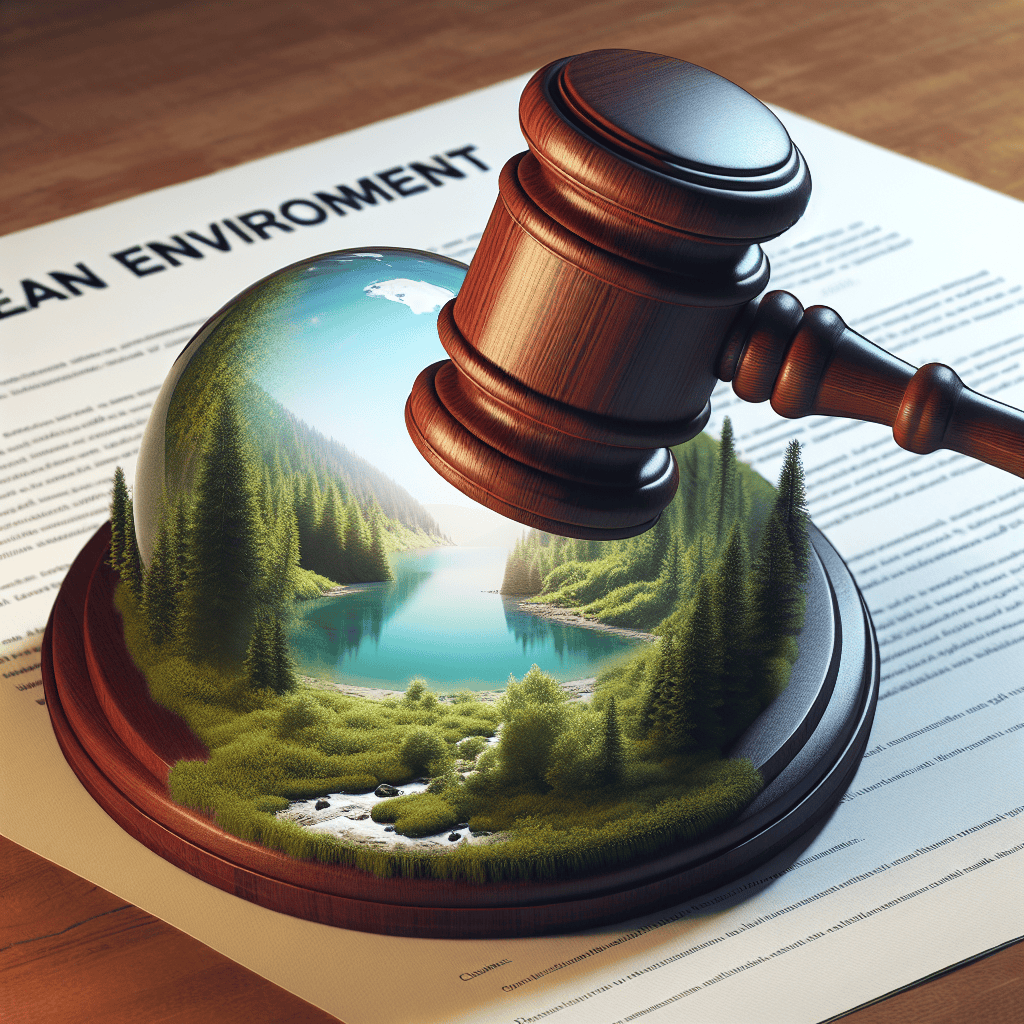
Pacific churches are celebrating a historic ruling from the International Court of Justice (ICJ), which declared that access to a clean, healthy, and sustainable environment is a fundamental human right for both present and future generations. This landmark decision, delivered recently, emphasizes that inaction on climate change could result in states facing legal repercussions and potential reparations claims.
Reverend James Bhagwan, General Secretary of the Pacific Conference of Churches (PCC), expressed gratitude towards the youth of the Pacific who spearheaded the campaign leading to this ruling. He specifically praised the Pacific Island Students Fighting Climate Change for their six-year journey from an idea in classrooms to making a significant impact at an international level. “Today’s unanimous Advisory Opinion proves that when the Pacific speaks with one voice, the world listens,” Bhagwan remarked.
The ICJ’s advisory opinion reinforces each state’s responsibility to prevent transboundary harm, which according to the PCC, includes the detrimental impacts of deep-sea mining. The statement calls for an immediate moratorium on seabed mining, highlighting its detrimental effects on the oceans.
Similar voices have emerged from other Pacific nations following the advisory opinion. Ralph Regenvanu, Vanuatu’s Minister for Climate Change, highlighted the decision as a turning point in climate justice that clarifies states’ obligations under international law. He emphasized the need to hold major polluting nations accountable, aligning with the PCC’s statements regarding preventative action required to mitigate climate change effects.
This ruling is seen as not merely a legal victory but as an opportunity to enhance efforts towards climate justice and to advocate for reparations from nations that contribute significantly to climate issues with little regard for others’ rights and safety. The collective action from Pacific nations, supported by legal perspectives and youth advocacy, demonstrates a unified front moving forward, fostering hope for stronger international accountability.
This outcome could significantly influence global climate policies, encouraging nations to not only acknowledge but actively uphold their environmental responsibilities, leading to potentially transformative approaches to climate action and protection of vulnerable communities across the globe.
Leave a comment