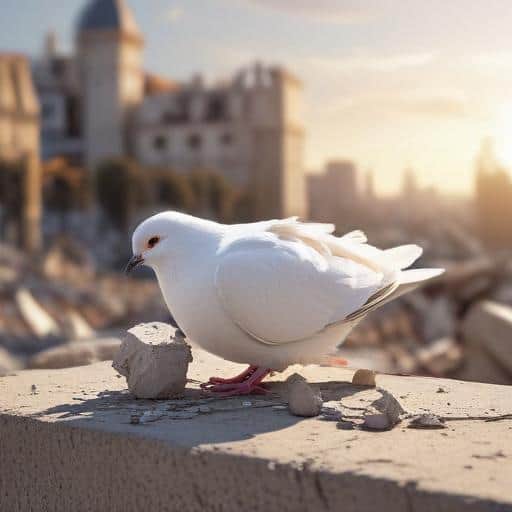
Mansour Abu Al-Khaier, a 45-year-old Palestinian technician residing in Gaza, expresses deep despair over the devastation wrought by nearly two years of armed conflict between Hamas and Israel. As he surveys the destruction, he firmly rejects U.S. President Donald Trump’s proposal to displace Gaza’s 2.3 million residents, questioning, “This is our land. Who would we leave it to, where would we go?”
In the ongoing turmoil, Trump, during a meeting with Israeli Prime Minister Benjamin Netanyahu, suggested potential plans for relocating Palestinians to neighboring countries, citing “great cooperation” from these nations. Netanyahu reinforced this idea, asserting that if people want to leave, they should have the option, while insisting that it shouldn’t turn into a “prison.”
Human rights advocates, including UN spokesperson Ravina Shamdasani, have criticized the notion of displacement, indicating that any transfers occurring within the current climate could be seen as coercive. Palestinians have longstanding ambitions for an independent state in the West Bank and Gaza, and many, like 27-year-old Saed, feel a strong attachment to their homeland despite the ongoing violence, asserting their right to remain.
The humanitarian situation in Gaza has reached critical levels, with escalating Israeli airstrikes leading to significant civilian casualties. Reports indicate over 56,000 Palestinian deaths since the onset of hostilities escalated in October 2023. Calls for international action prioritize humanitarian aid and advocate for renewed dialogues to address the escalating crisis.
Despite pessimism amid the relentless violence, the enduring spirit of Gaza’s residents shines through, as they strive for dignity and hope for a more peaceful future. The situation underscores the urgent need for effective humanitarian responses and a concerted effort towards lasting peace in the region.
Leave a comment