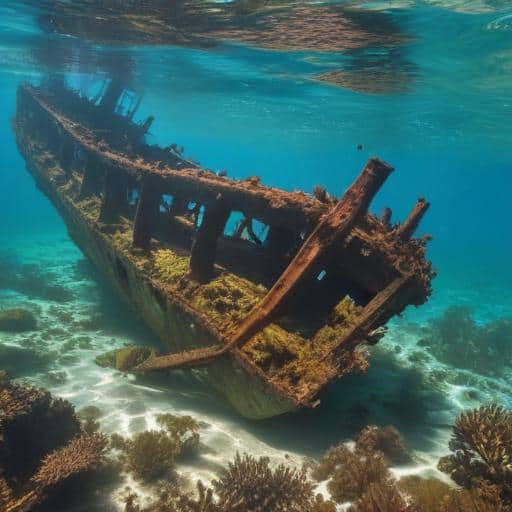
A non-profit organization is poised to contribute $500,000 (approximately FJ$1.1 million) to assist in the removal of derelict vessels from Fiji’s waters. Joweli Cawaki, Chairman of the Maritime Environment Joint Committee, confirmed that the Waitt Foundation has joined forces with the committee for this vital initiative. Cawaki expressed gratitude for the support, stating, “We started with nothing, but we are thankful that Waitt Foundation has come on, as well as the United Nations Economic and Social Commission for Asia and the Pacific (UNESCAP).”
The committee consists of representatives from various stakeholders, including the Maritime Safety Authority of Fiji (MSAF), Fiji Ports Corporation Limited (FPCL), Fiji Navy, and other relevant government ministries. FPCL will manage the funds provided by the Waitt Foundation, ensuring proper financial governance as the committee works on refining documentation and project oversight.
During a recent meeting, the Waitt Foundation expressed its readiness to disburse funds for the first phase of this project, which aims to clear Fiji’s waters of abandoned vessels that pose threats to marine life and navigation. The collaboration reflects a growing commitment seen in previous initiatives, such as the establishment of a new fund in partnership with Blue Prosperity Fiji that aims to clear identified high-risk derelict ships in Suva Harbor.
Efforts have been underway to address the environmental consequences of abandoned vessels in Fiji’s ports, with substantial support from various agencies. Additional funding and assessments have been secured through international partnerships, reinforcing the collaborative approach to enhancing environmental health and maritime safety.
As Fiji moves forward with these initiatives, there is a sense of optimism surrounding the restoration of its marine environments. This collective effort signifies a hopeful trajectory toward preserving the integrity of Fiji’s waters for future generations, fostering sustainable maritime practices while ensuring ecological preservation.
Leave a comment