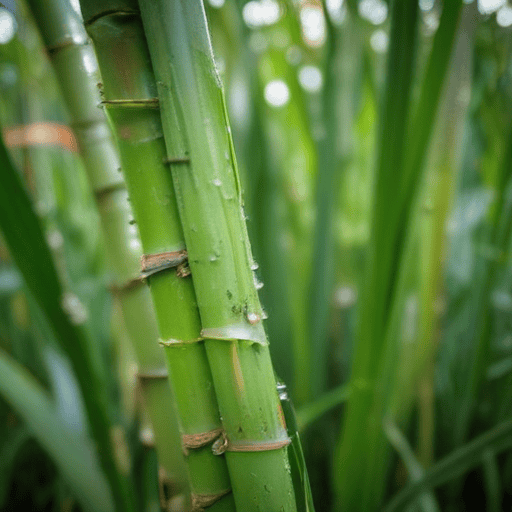
Fiji’s sugarcane industry is facing challenges, evidenced by a decline in the number of active growers, with only 10,260 producers reported last season, as communicated by Raj Sharma, CEO of the Sugarcane Growers Fund. Of this number, 4,359 received support from the fund, indicating ongoing trends of fluctuation within the farming community.
While exact statistics on farmer attrition are unavailable, Sharma attributes these changes to several contributing factors, including labor shortages, rising production costs, aging demographics among growers, adverse weather conditions, and land rezoning for commercial use. This uncertainty also extends to lease agreements, which can impact farmers’ willingness to remain in the sector.
The situation parallels findings from a recent FAO study, which highlighted that the sugar industry has seen a decrease in active growers since 1995, when there were over 21,000 farmers, down to about 12,000 reported in 2020. Notably, around 4% of those surveyed are considering leaving farming, while 17% remain unsure, reflecting both the industry’s volatility and the pressing need for sustainable, supportive strategies.
Despite these difficulties, Sharma remarked on the established market advantages of sugarcane farming, including its resilience to certain weather conditions and lower maintenance needs compared to other crops. He pointed out that there have been positive developments post-COVID-19, particularly in the West of Fiji, where job losses in tourism have led to an increase in new individuals entering the farming sector.
Furthermore, the government has shown commitment to supporting the industry through various initiatives. A previously highlighted report indicated that 61 farmers recently received significant government assistance, marking an investment in the sugar sector aimed at fostering growth and sustainability.
In light of these challenges and government efforts, there remains a hopeful outlook for Fiji’s sugar industry. As community members, policymakers, and industry leaders collaborate to address historical inefficiencies and work towards innovative solutions—such as exploring biofuel opportunities—the potential for revitalization and growth in the sector becomes increasingly viable.
By focusing on sustainable practices and fostering community dialogue, the sugarcane sector may yet overcome its hurdles and remain a vital part of Fiji’s agricultural landscape.
Leave a comment