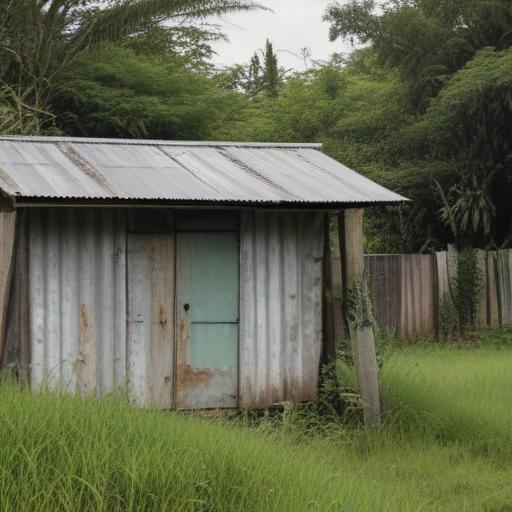
The situation regarding informal settlements in Fiji has reached a critical point, with the number of squatter settlements surpassing 250, as families increasingly seek shelter in urban areas like Suva, Nasinu, and Lautoka. The surge reflects a broader failure within the country’s housing system. Minister for Housing Maciu Nalumisa has acknowledged the government’s struggle to manage this pressing issue, admitting that thousands of Fijians now live in these informal communities.
In light of the growing crisis, Nalumisa called for a reassessment of existing strategies and emphasized the need for effective measures to ensure all citizens have access to proper housing. The Ministry is currently working on 14 development leases with the intent of formalizing some of these settlements; however, such formalization is often hindered by land shortages and high housing costs.
Moreover, the Government is reviewing the outdated Informal Settlement Act, which has become a barrier to adequate intervention and support for these communities. Civil society organizations, such as the Fiji Council of Social Services (FCOSS), have also voiced their concerns, arguing that the law only addresses a small fraction of the settlements and fails to take future growth into account. FCOSS is advocating for legal recognition of traditional land-use agreements, known as vakavanua, to provide better protection for both landowners and settlers.
The gravity of the situation is compounded by other factors, including rising poverty levels—currently estimated at about 29.9%—and increased crime rates associated with inadequate living conditions in these communities. Recognizing these challenges, the government has allocated approximately $10 million in the 2024-2025 budget to improve infrastructure in informal settlements.
Efforts are being made to engage various stakeholders, and the Ministry plans to hold a national forum to gather fresh ideas and innovative solutions. Nalumisa warned that without immediate action, the influx of individuals into squatter settlements is likely to continue.
The commitment from both government officials and civil society groups to address these issues provides a glimmer of hope for meaningful change. Through collaborative efforts and sustained investment, there is potential for improved living conditions and a comprehensive approach to housing challenges in Fiji.
Leave a comment