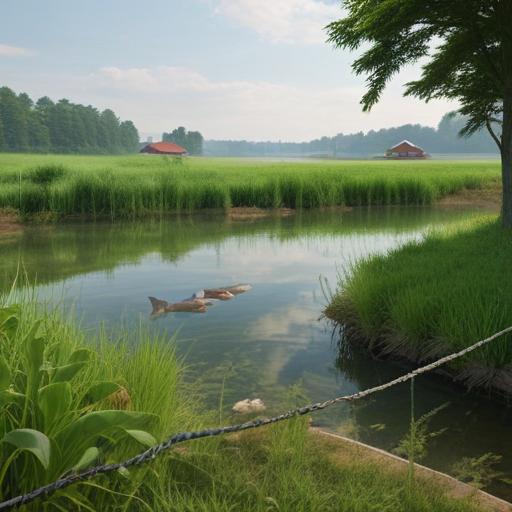
An article from The Fiji Times dated February 3, 1983, discussed the successful introduction of grass carp into the Rewa River in Fiji as a strategy to manage aquatic weed growth. These fish were imported from sources including India, New Zealand, and China, and have been well-received, with Japanese aquaculture specialists noting their positive development. Approximately 8,500 grass carp were released into the river, where they are anticipated to naturally reproduce.
Despite their initial acclimatization, the grass carp faced challenges during spawning attempts in controlled pond environments, leading experts to test hormone injection techniques to encourage spawning. In addition, they are collecting naturally spawned eggs from the river. Concurrently, the Naduruloulou fish farm, part of several Japanese Technical Cooperation initiatives, is also investigating the cultivation of river prawns and advancing infrastructure development including reservoirs and water supply systems.
Another development noted was the introduction of another fish species, puntius gonionotus, from Malaysia, which had escaped into the Rewa River during floods in 1980. This species has adapted remarkably well to the river ecosystem, flourishing throughout various regions and reaching weights of up to 2 kg. The local populace has embraced fishing for grass carp due to its appealing taste.
These efforts in aquaculture are part of Fiji’s broader commitment to sustainable seafood production, as highlighted by legislative initiatives like the Aquaculture Bill 2024. This bill endeavors to bolster the aquaculture industry, enhance food security, and create job opportunities while ensuring responsible management of natural resources.
The initiatives surrounding grass carp and other aquaculture methods not only support local biodiversity but also aim to promote sustainable growth within Fiji’s fisheries sector, thereby securing food resources for both current and future generations. The ongoing dedication to innovation reflects a hopeful outlook for the sustainable management of fisheries in the region, paving the way for long-term ecological and economic benefits.
Leave a comment