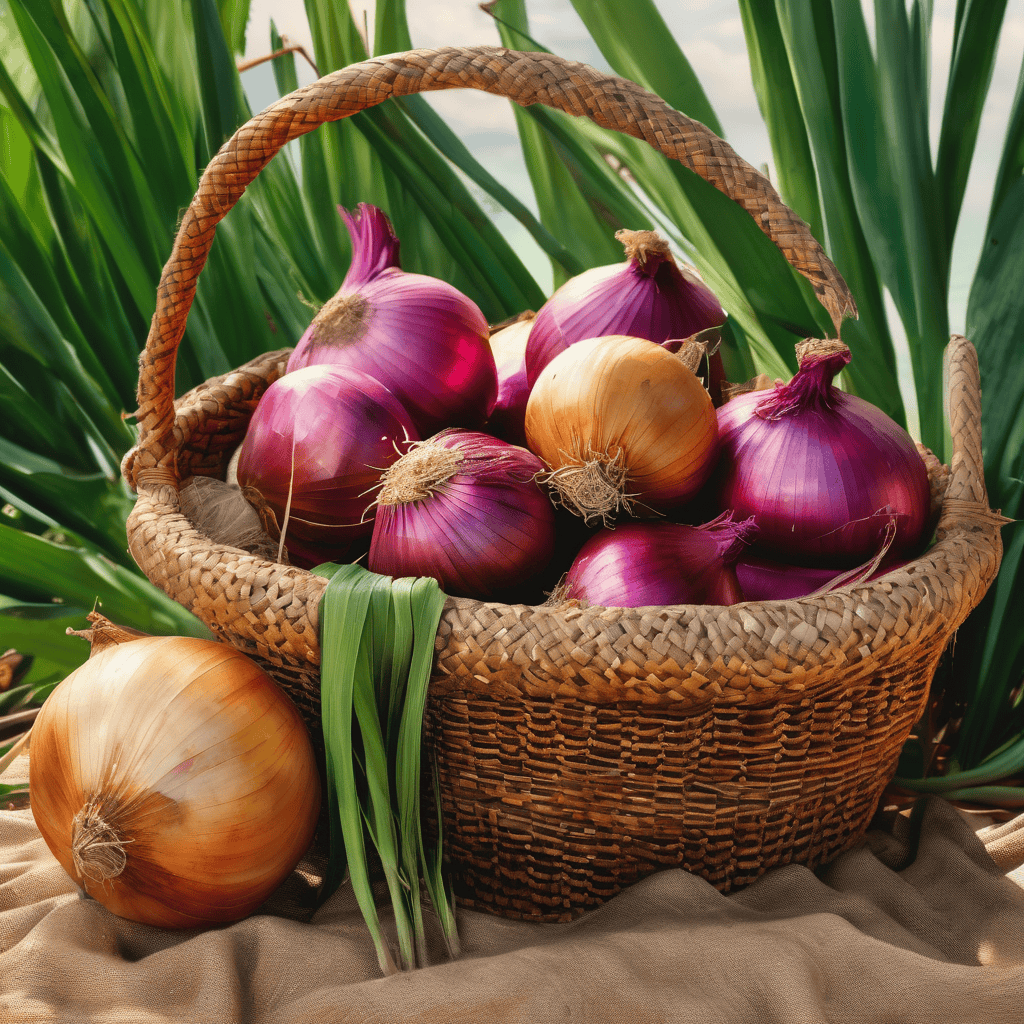
On November 14, 1984, The Fiji Times reported a significant milestone in Fiji’s agricultural landscape with the introduction of onion farming. This initiative quickly proved successful, bolstered by crop testing and strategic funding initiatives. A farmer from Yaqara in Tavua achieved an impressive yield of 350 tonnes, marking Fiji’s first commercial onion crop.
The project was inaugurated by then Prime Minister Ratu Sir Kamisese Mara, who cut the ribbon on a large shed that housed 1,700 bags of onions from the Yaqara farm. In his speech to the gathered crowd, Mara emphasized how the harvest showcased the hard work and collaboration among everyone involved, expressing optimism for the project’s continued success.
The venture was managed by Yaqara Projects Ltd in collaboration with Australian agriculturist Dr. Peter Blood on a 75-25 equity basis. The newly formed company, a subsidiary of Yaqara Pastoral Co Ltd, was directed by Abdul Yusuf, Dr. Blood, and Dan Costello. Funding for the project was secured from the Australian Development Assistance Bureau, which provided $312,000 to support Yaqara’s equity share.
Dr. Blood reported that onion varieties successful in prior trials were cultivated over eight hectares, achieving the remarkable yield. Plans were in place to expand the cultivation area to 40 hectares in the following season, with aspirations to also grow garlic, which had shown promising results.
While they faced challenges such as weed control and an onion disease, these issues were manageable. Weed management was maintained until the onions reached 75% of their bulbing potential. Abdul Yusuf highlighted the rationale behind choosing onions: data indicated that Fiji had spent approximately $2 million importing onions in recent years, making local production economically advantageous.
As the project expanded, it was projected that wage earnings from casual employment could exceed $30,000 by the 1985-86 period, supportively impacting the local economy. Yusuf also stressed the importance of existing distributors continuing to handle local onions and mentioned that licensing protection from the government would be vital to prevent price wars or market dumping by traditional suppliers.
Notably, Ratu Mara underscored the importance of this project as part of Fiji’s economic diversification strategy. He pointed out that the cost of imported onions was significantly higher and praised the taste of locally grown onions, which he claimed were superior. The successful cultivation of onions in the Yaqara area, characterized by low rainfall and diverse soil types, marked a remarkable achievement.
Moreover, the Economic Development Board’s chairman Ian Thomson acknowledged that previous year’s onion imports had amounted to over 4,700 tonnes at a value of $1.04 million, further underscoring the significance of such import substitution initiatives for the nation’s economy. As Fiji gears towards greater agricultural self-sufficiency, this onion farming success symbolizes hope for future growth and sustainability in the nation’s farming sector.
Leave a comment