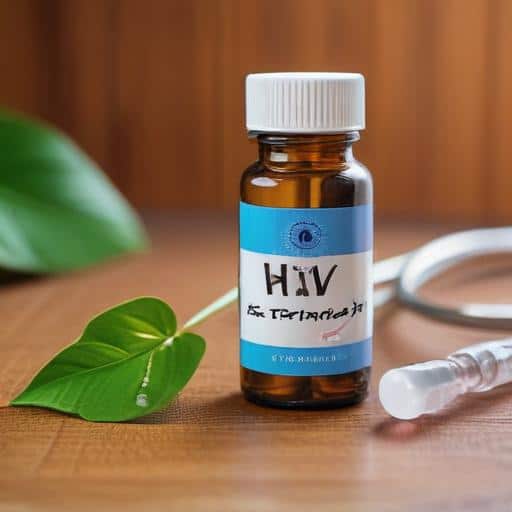
Fiji is experiencing a significant improvement in the accessibility and affordability of antiretroviral drugs (ARVs), according to Renata Ram, the UNAIDS country director for the Pacific and Fiji. During a recent interview, she highlighted that the bulk purchase of ARVs is now much cheaper compared to a decade or two ago.
She explained that the treatment needs of individuals living with HIV can vary greatly depending on the combination of medications prescribed. In the past, patients often had to take up to 20 tablets daily due to the toxicity of older drugs. However, current treatments are less toxic, requiring fewer pills, which makes adherence significantly easier for patients. Although initial side effects may occur, users generally adjust to the medication over time.
Despite not engaging in regular procurement of medicines for Fiji, UNAIDS does step in during health emergencies, such as during the COVID-19 pandemic. Ms. Ram pointed out that Fiji’s government has pledged to provide free lifelong HIV medication for its citizens, which is a remarkable achievement in ensuring access to treatment.
The partnership with the United Nations Development Programme (UNDP) has also enhanced Fiji’s healthcare strategy, allowing the government to access medications at a lower cost through the UNDP procurement system. This includes adapting to more effective suppliers rather than solely relying on sources like India, thereby accelerating the process of getting necessary drugs into the country quickly.
This context is crucial given the alarming rise in HIV infections reported recently, reflecting a 260 percent increase in new cases. The supply of ARVs remains vital to provide continued support to those affected. Health Minister Dr. Atonio Lalabalavu has reassured the public that the government is focused on maintaining a steady flow of medication while encouraging ongoing testing and adherence to treatment plans.
As Fiji navigates these public health challenges, the government’s commitment, supported by international partnerships, can lead to improved health outcomes and community resilience. Continued investment in HIV treatments and proactive healthcare strategies foster hope for a sustainable fight against the virus and enhance the well-being of affected individuals.
Leave a comment