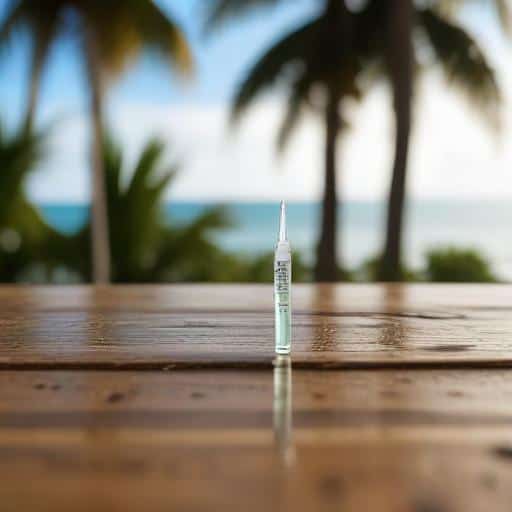
The Ministry of Health in Fiji is taking a cautious approach towards a proposed needle and syringe exchange program designed to mitigate HIV transmission among intravenous drug users. Assistant Health Minister Penioni Ravunawa confirmed that a dedicated taskforce is assessing the viability of this initiative, which is gaining traction as a key recommendation amid rising HIV cases linked to drug use.
Ravunawa highlighted the importance of not just distributing clean needles and syringes, but also providing counseling and support for individuals vulnerable to drug use or those already battling addiction. He noted that successful implementations of similar programs in countries like Australia and New Zealand demonstrate the potential impact such an initiative could have in reducing HIV rates.
The current rise in HIV cases, in part due to unsafe needle sharing practices, emphasizes the immediate need for harm reduction strategies. Dr. Rachael Devi, head of Family Health, pointed out that increased access to clean needles is essential in minimizing the sharing of syringes among users, which is believed to contribute to the transmission of the virus. Indirect evidence also suggests a troubling increase in meth use within the country, with a significant portion of first-time users reportedly resorting to using contaminated needles.
This consideration of a needle exchange program resonates with earlier statements from the Ministry, which aims to learn from successful international models while adapting them to Fiji’s unique context. The urgency surrounding the needle-syringe initiative reflects a collective acknowledgment within the government and health sectors regarding the need for immediate action to combat the rising tide of HIV.
The establishment of such programs, if supported by lawmakers, could represent a significant step forward in public health strategy. The focus on community involvement and culturally-sensitive approaches is crucial; these efforts can foster a supportive environment for those in need of assistance.
As discussions continue, there is a hopeful outlook that these harm reduction initiatives can lead to a healthier future for Fiji, drastically decreasing HIV transmissions among injecting drug users while fostering a compassionate approach to addiction and public health.
Leave a comment