Fiji is facing a growing crisis due to the illegal tobacco trade, which is leading to significant public health challenges and boosting organized crime, thus threatening the nation’s stability. Andrew Black, from the WHO’s Convention Secretariat, highlighted that this illicit trade is incurring substantial financial losses that negatively impact both health outcomes and the economy of Fiji.
To combat this issue, Black stressed the need for a stringent control over the tobacco supply chain through robust licensing systems, diligent enforcement, and international collaboration. He emphasized, “To combat illicit tobacco effectively, it is crucial to develop capacity for detecting these products and ensuring that those responsible for this criminal activity are held accountable.”
Recent findings from Operation EXIT, a joint effort between the WHO and Oceania Customs, revealed a worrying rise in illicit tobacco activities, marked by a high volume of illegal cigarette seizures in Fiji and its neighboring regions. In response to this alarming trend, a needs assessment has been launched to identify and address the deficiencies in Fiji’s tobacco control mechanisms.
Dr. Jemesa Tudravu, Fiji’s Permanent Secretary for Health, reinforced the nation’s dedication to eradicating the illicit tobacco trade through global partnerships, enhanced law enforcement, and improvements in legislation. He stated, “The critical steps involve establishing a robust supply chain control, implementing an effective licensing framework, and fostering cooperation on an international scale.”
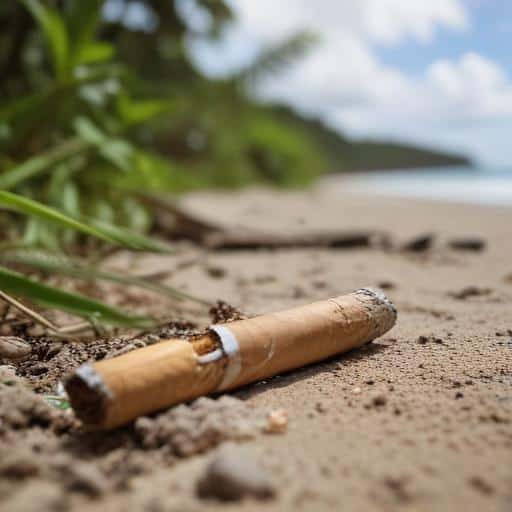
Furthermore, Dr. Tomo Kanda, WHO’s Pacific Health Team Leader, raised concerns about the environmental impact of tobacco, particularly focusing on the littering caused by cigarette butts, which contain harmful chemicals and microplastics that threaten Fiji’s vibrant ecosystems and coastal beauty.
This comprehensive approach is part of Fiji’s commitment to align with the Protocol to Eliminate Illicit Trade in Tobacco Products, advocating for cohesive international strategies to reduce the illegal tobacco market and its associated health and environmental issues.
The ongoing initiatives offer a ray of hope for Fiji. The collaboration between governmental bodies and international organizations aims to lower smoking rates and the health burdens associated with tobacco while improving public health policies. As these efforts progress, they represent a promising path toward a healthier and more stable future for Fiji.
Leave a comment