The historical significance of warfare in Fiji has shaped not only ceremonial practices but also the very fabric of Fijian society. Warfare served not only as a means of safeguarding life and defending villages but also played a crucial role in solidifying power alliances among different groups. This complex nature of combat prepared young boys for adulthood and established a sense of unity across various kingdoms in Fiji.
Warfare in Fiji, as documented, often lacked mercy and was characterized by its brutal treatment of all, regardless of age or gender. Infanticide, particularly of girls, was prevalent during certain periods, illustrating the harsh realities of life during wartime. Notably, Ratu Seru Cakobau, a prominent warlord, notoriously presented captured infants from the War of Verata in 1866 to his children for the purpose of practice in war games.
Weapons played a pivotal role in Fijian warfare, with various types of clubs being essential not only in battle but also during peace ceremonies. The bowai, a club resembling a baseball bat, functioned as a powerful striking weapon, while the sali was designed for both penetrating and striking, showcasing the skilled craftsmanship in weapon-making. Clubs such as the i tuki were formidable battle hammers, and unique throwing clubs like the i ula and ai kobo demonstrated the innovative spirit of Fijian warriors.
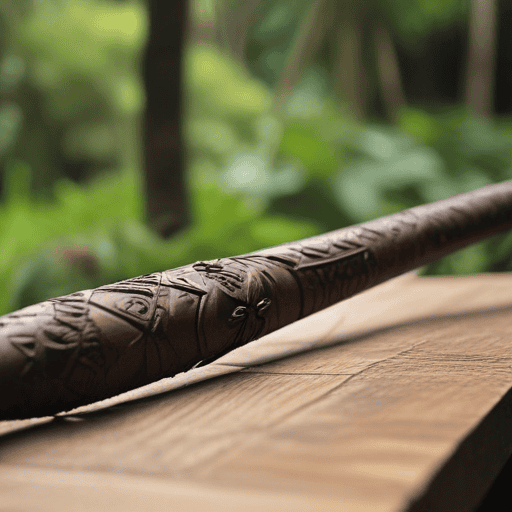
The cultural significance of these weapons extended beyond their functional use; many clubs were adorned and considered sacred, with their histories inscribed upon them. Different materials and designs were influenced by neighboring cultures, including those from Tonga and Samoa. As the 18th century progressed, the introduction of firearms changed the landscape of warfare in Fiji, increasing casualties and altering traditional battle dynamics.
The detailed craftsmanship of Fijian club makers highlights the importance of each weapon, which was tailored to serve specific purposes, whether for combat or ceremonial use. The legacy of these war clubs reflects both the brutality and the artistry present in Fijian history.
In conclusion, the story of Fijian warfare not only encapsulates a violent past but also emphasizes the community, craftsmanship, and cultural heritage tied to these practices. By understanding this history, we can appreciate the resilience and rich traditions that continue to influence Fijian society today. The evolution of warfare in Fiji serves as a reminder of the complexities within cultures shaped by conflict and unity.
Overall, the article sheds light on the dual roles that weapons played in Fijian society, reinforcing the idea that understanding history is vital in fostering respect for cultural identities and the lessons they impart.
Leave a comment