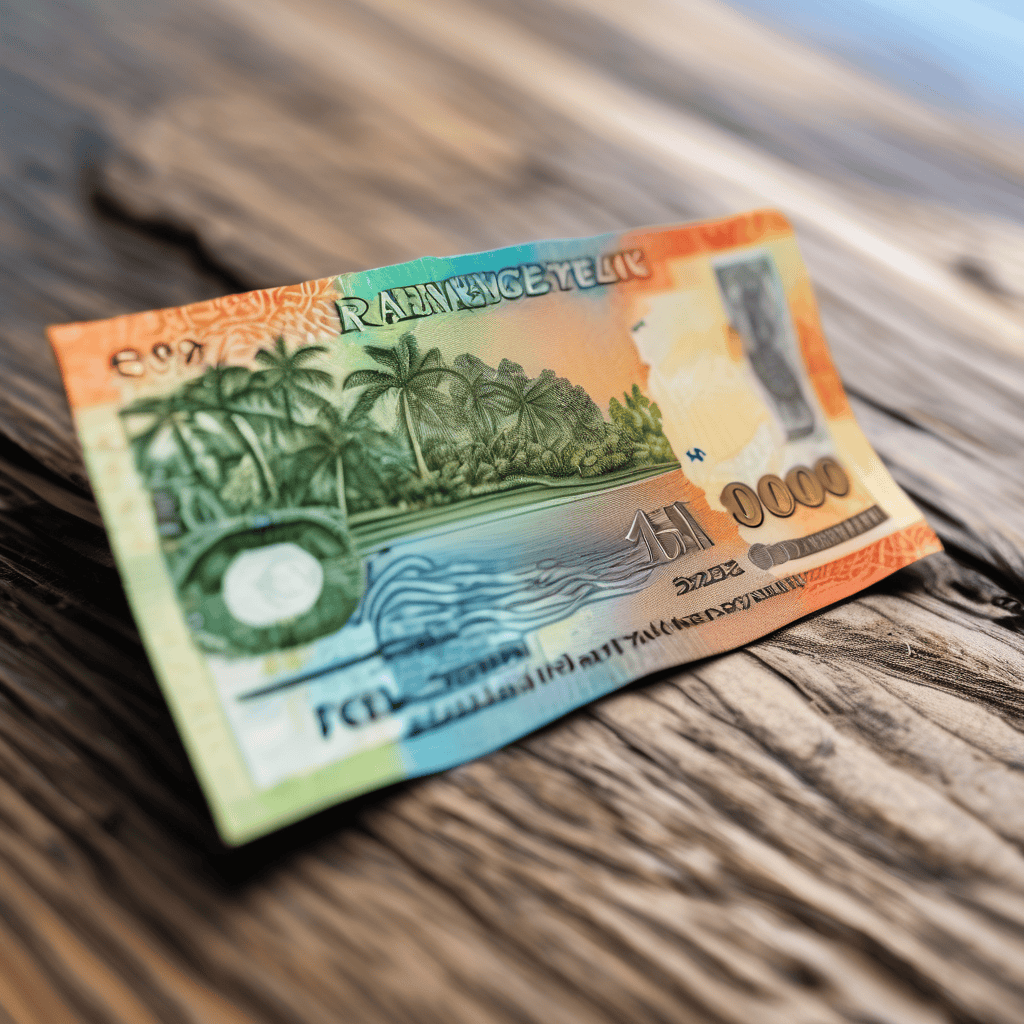
Fiji has officially launched a completely revamped series of banknotes, marking a significant step towards enhanced security and durability in its currency. The Reserve Bank of Fiji (RBF), led by Governor Ariff Ali, emphasized the importance of this upgrade as cash remains the predominant payment method in the country, even as digital transactions gain momentum.
Governor Ali stated that maintaining public confidence in the currency is essential and noted that the new polymer notes will ensure both longevity and security against evolving counterfeiting threats. The use of polymer material not only extends the lifespan of the banknotes, reducing replacement costs, but also provides superior resistance to wear compared to traditional paper notes.
Each denomination of the new banknotes is intricately designed to highlight various aspects of Fiji’s rich culture, heritage, and environmental awareness. The $5 note features the endangered Vonu Dina, or green sea turtle, while the $10 showcases children planting mangroves, representing climate resilience. The $20 note prominently displays the Reserve Bank of Fiji building, and the $50 note pays tribute to Indo-Fijian history through an image of a girmit woman alongside the Leonidas ship. Finally, the $100 note presents an iTaukei man with a bilo, or cup, of kava, reflecting the traditions of the indigenous community.
The redesign process was conducted in collaboration with Crane Currency, a reputable global manufacturer with over two centuries of experience in banknote production. In addition to the aesthetic upgrades, the RBF demonstrated its commitment to environmental sustainability by offsetting carbon emissions from the note production through local initiatives, including a solar electrification project in Nakida Village.
President Ratu Naiqama Lalabalavu, who officiated the launch, hailed the new banknote series as a powerful symbol of Fiji’s sovereignty and economic resilience, showcasing the nation’s heritage and progress. The new banknotes are set to be introduced on January 2, signifying a hopeful advancement in Fiji’s monetary system.
Leave a comment