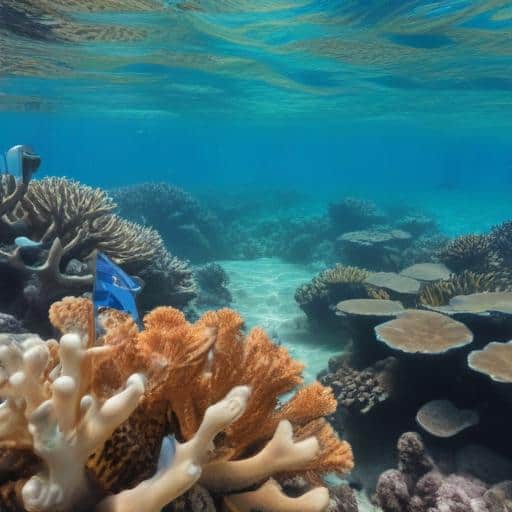
Fiji is progressing towards ratifying the Biodiversity Beyond National Jurisdiction (BBNJ) agreement, a pivotal treaty viewed as the most significant ocean accord of the last 25 years. Despite there being 112 signatories, only 21 countries, including three Pacific nations—Marshall Islands, Federated States of Micronesia, and Palau—have officially ratified the agreement.
This week, stakeholders presented their recommendations regarding Fiji’s ratification to members of the Standing Committee on Foreign Affairs and Defence. On March 27, the Ministry of Environment and Climate Change expressed its support for this crucial step in safeguarding the nation’s biodiversity and marine resources.
Dr. Sivendra Michael, permanent secretary of the Ministry, emphasized that the BBNJ agreement would not impede current national efforts to manage marine resources under the United Nations Convention on the Law of the Sea (UNCLOS) and would enhance Fiji’s commitment to protecting 30% of its ocean by 2030. He stressed the importance of addressing species that traverse maritime boundaries, including vulnerable populations such as humpback whales and hammerhead sharks.
Understanding the ratification process, Dr. Michael clarified that simply ratifying the BBNJ agreement would not automatically establish marine protected areas (MPAs) in international waters. Instead, it would require collaborative efforts among member states to implement the necessary management tools and reach consensus on their establishment.
The treaty is crucial for creating a framework that promotes international cooperation in the management of high seas, which have remained largely unregulated. Without this legal structure, there are no mechanisms in place to prevent the exploitation of ocean resources.
Additional discussions surrounding the BBNJ agreement highlight its role in bolstering ocean governance, especially as Fiji and other Pacific nations respond to the alarming threats posed by climate change and marine biodiversity loss. Efforts by neighboring countries, particularly Samoa, to host workshops aimed at clarifying stakeholder roles in relation to the BBNJ further illustrate a regional momentum towards sustainable ocean governance.
Fiji’s potential ratification of this treaty serves not only as a commitment to environmental sustainability but also positions the nation to play a significant role in international decision-making regarding ocean resources. By taking proactive steps in collaborating with other Pacific nations, Fiji can inspire a unified approach toward preserving ocean health for future generations, laying the groundwork for resilient governance frameworks essential for the sustainable management of marine biodiversity.
The ongoing momentum reflects a hopeful narrative where Pacific nations collectively tackle ocean-related challenges, ensuring the well-being of their communities for years to come.
Leave a comment