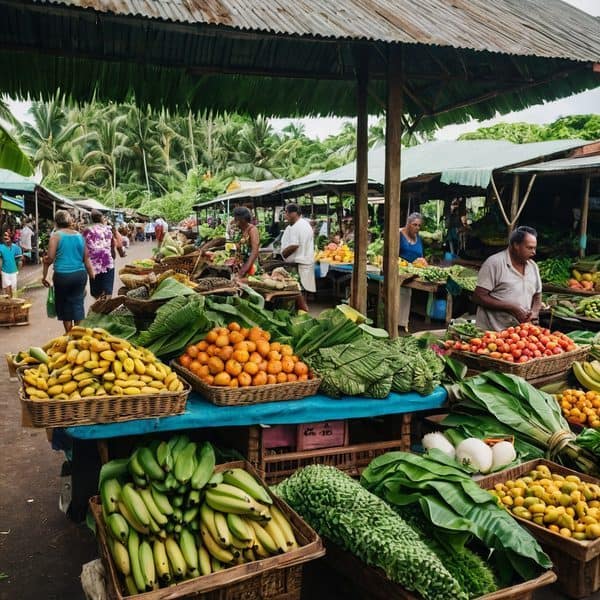
Mereani Ravuca says her foremost duty as a mother is simple: keep the kitchen stocked with wholesome, nutritious food. In an interview this week she said she prioritises green leafy vegetables and fresh fruits bought from local markets, believing those choices are central to her children’s growth and long-term health.
“By doing so, my main aim is to support their growth, helping them become healthier and stronger,” Ravuca said, stressing that freshness and variety at the family table matter most. She described frequent visits to neighbourhood market stalls where produce is seasonal and sourced close to home, and said those purchases are both a health and a community decision.
Ravuca urged other shoppers to consider spending more at local markets rather than relying solely on supermarkets, framing the choice as a way to promote better eating habits and to bolster local vendors. “This is a way to promote better eating habits, support local vendors, and ensure families have access to wholesome, nourishing meals every day,” she said, adding that small, regular investments in fresh produce can make a meaningful difference to children’s diets.
Her comments come as Fiji continues to navigate how best to improve public health outcomes, including nutrition. In late June the government announced a $540 million funding package for the health sector — measures that officials say aim to strengthen hospitals and health services across the country. While those investments focus on clinical and infrastructure needs, voices like Ravuca’s underline the role household food choices play in preventative health and child development.
Nutrition specialists and community groups have long pointed to local markets as important nodes for food security and dietary diversity in Fiji. Fresh fruits and green leafy vegetables supply essential vitamins and minerals that support childhood growth, and shopping locally can reduce the time between harvest and consumption, preserving nutritional value. Ravuca’s advocacy for market vendors also reflects an economic argument: local purchasing circulates money within communities, supporting small-scale farmers and stallholders.
For Ravuca, the mission is practical and daily. Ensuring families have access to nourishing meals, she said, does not require complicated changes — it starts with filling the kitchen with fresh produce and making the local market a routine stop. Her message is both a personal commitment and an appeal to neighbours: modest shifts in shopping habits can help build healthier households across Fiji.
Leave a comment