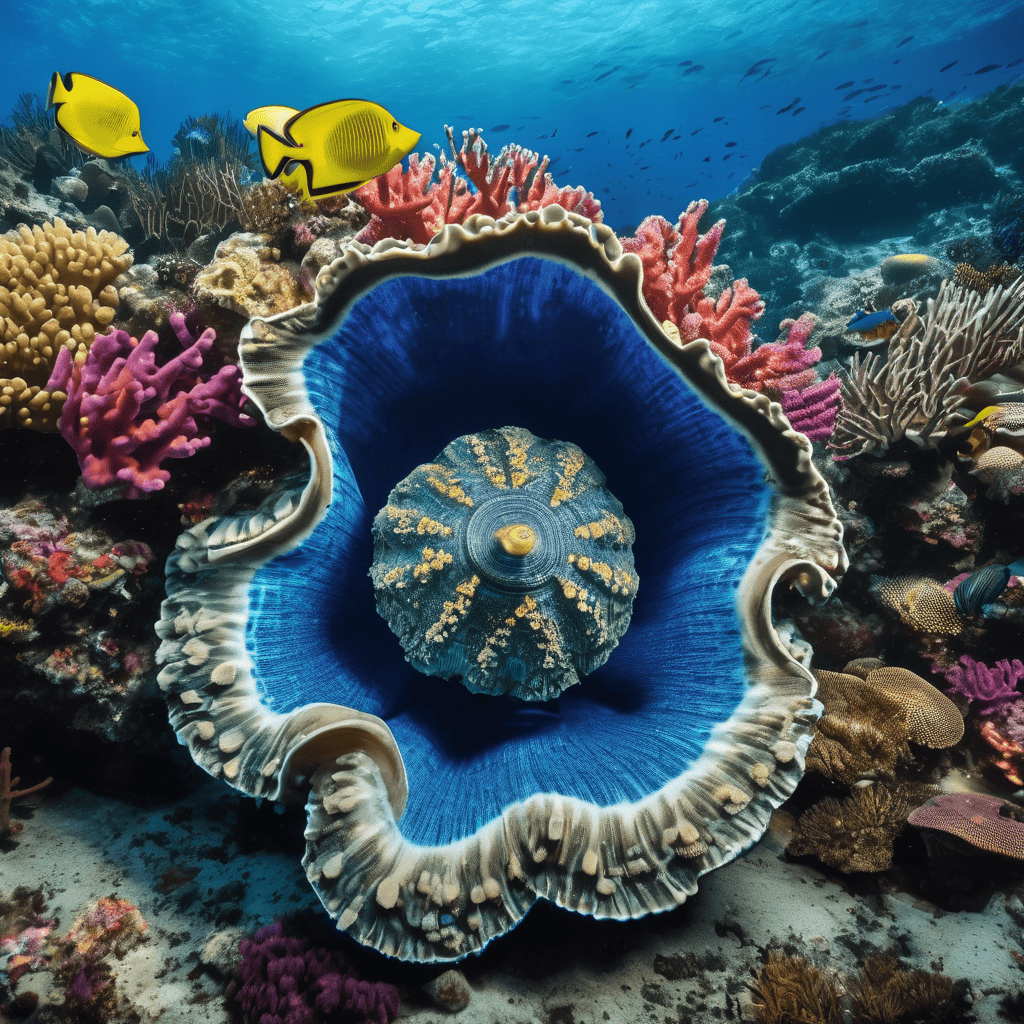
The Ministry of Fisheries, in collaboration with J Hunter Pearl Hatchery and local communities, has officially launched an ambitious spawning program for the Tridacna gigas, commonly known as the giant clam. This initiative, which kicked off last month, aims to enhance aquaculture, improve livelihoods, and promote reef conservation through community-led reseeding efforts. It aligns seamlessly with the Aquaculture Development Plan designed for sustainable mariculture practices.
The spawning activities took place at several key locations, including the J. Hunter Pearl Hatchery in Savusavu, the Makogai Mariculture Research Centre, and Tavarua Island Hatchery. This multi-hatchery approach is expected to significantly boost production and contribute to meeting the specific targets set forth in the Aquaculture Development Plan.
According to a statement from the ministry, the initiative highlights the importance of strengthening partnerships between the private sector and communities. The program aims to support mass production efforts while improving the livelihoods of those involved and advancing conservation goals. Notably, community participation has been a focal point, with broodstock for the Tridacna gigas sourced from Nanuca Village in Tikina Cakaudrove, utilized for spawning activities at the J. Hunter Pearl Hatchery.
The Ministry of Fisheries emphasized that this collaborative effort is expected to solidify relationships between local communities, the government, and private enterprises, thereby contributing to conservation efforts and the improvement of fishing grounds through reseeding initiatives. Moreover, the ministry is committed to promoting community engagement and public-private partnerships as vital strategies for advancing sustainable development and environmental conservation.
In a further development, the ministry’s research division plans to broaden its focus to include additional marine species, thereby supporting both community and private sector initiatives through the Mariculture Program across Fiji. This progressive approach reflects a growing commitment to sustainable practices that benefit both ecosystems and local communities alike.
Leave a comment